Where Does the Cost of Facial Contouring Difference Come From? 7 Factors Determining the Price

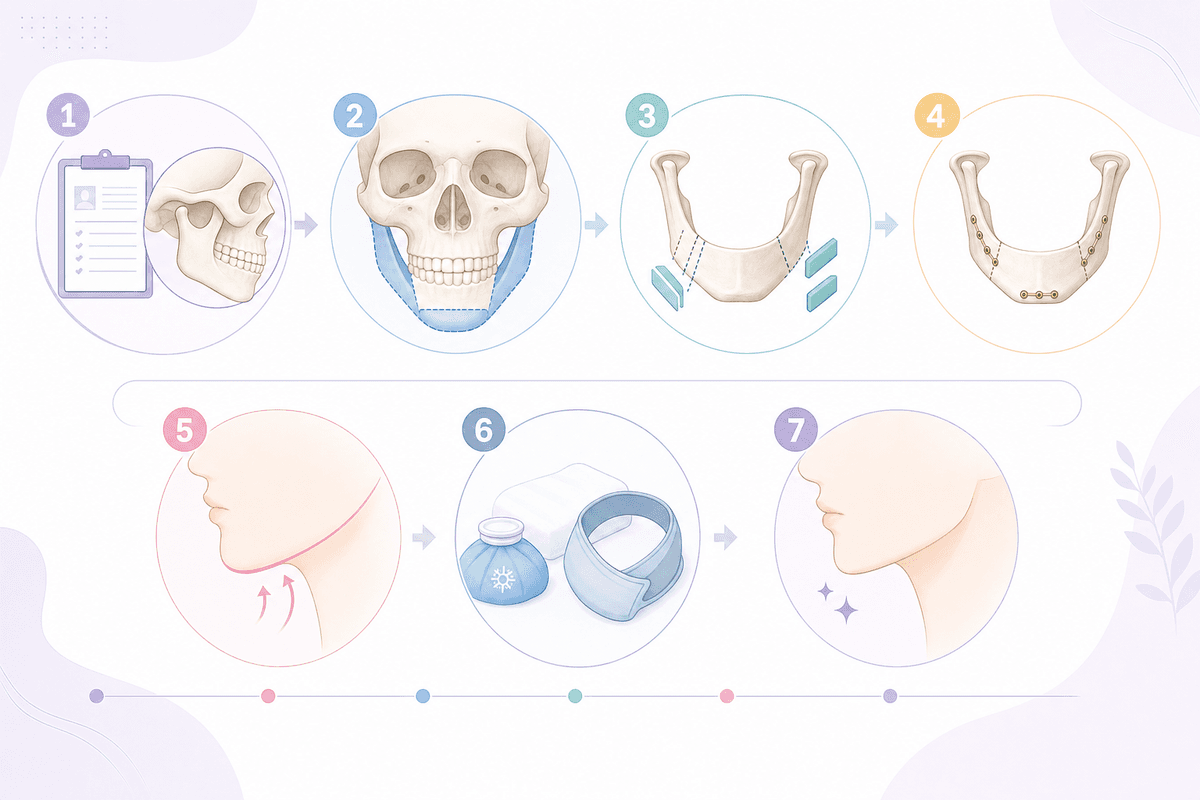
The cost of facial contouring surgery varies significantly depending on the combination of surgical sites, the extent of osteotomy, and the method of anesthesia. 3D CT scanning and the fabrication of custom guides account for 15–20% of the total cost and enhance surgical accuracy. While the experience of the medical staff and the rating of the hospital facilities are reflected in the price, a high rating does not necessarily guarantee good results.
Price Structure Analysis for Rational Choice
- 7 Cost Variables
- 65% Add-on Rate for 3D CT
- Up to 30% Difference in Anesthesia Method
I Received an Estimate, Why Is There Such a Difference?
There are cases where the estimate differs by up to twofold from hospital to hospital for the same 'cheekbone + jawline' combination. This difference cannot be explained simply by the fact that 'the more expensive place is better.'
The cost of facial contouring surgery is influenced by a complex interplay of at least seven variables, including the extent of osteotomy, the type of fixation material, the method of anesthesia, and the availability of a recovery room. This is why the guidelines of the Korean Academy of Maxillofacial Plastic and Reconstructive Surgery also recommend 'individually customized quotes' rather than 'standard prices'. The cost can vary by 15-20% simply by choosing between the bioabsorbable fixation material (Biosorb), approved by the U.S. FDA in 2018, and conventional titanium plates. This article specifically analyzes the impact of each item on the total cost. Key Point: If the quote only lists a package like '3 types of contouring', please request a separate breakdown of each item (osteotomy range, fixation material, type of anesthesia). Transparent hospitals are willing to explain the details.
The combination of surgical sites determines half the price

The increase in cost when combining 2-3 sites is smaller than simple summation compared to cheekbones alone, square jaw alone, or chin alone. For example, the combination of cheekbones and jawline offers a promotional benefit of approximately 20-25% compared to performing them separately. This is because the incision site is shared and the anesthesia time is integrated. However, if three or more areas (cheekbones + jawline + chin) are treated, the surgery time increases to 4-5 hours, resulting in additional anesthesia and recovery room management costs. The scope of the osteotomy is also important. In the case of jawlines, 'angle resection,' which trims only the mandibular angle, and 'T-osteotomy,' which redesigns the entire mandibular line, differ in difficulty and time. T-osteotomy takes an average of 40-50 minutes longer and incurs corresponding additional costs. According to 2022 clinical data from the Korean Academy of Maxillofacial Plastic and Reconstructive Surgery, 70% of facial contouring surgeries in Korea are performed in combination of two or more areas, with 45% of these showing a cheekbone + jawline pattern. **20-25% cost reduction effect when combining two areas compared to single surgery** **3- or more areas: surgery time 4-5 hours, anesthesia and recovery room costs 15-20% additional** **T-osteotomy takes an additional 40-50 minutes compared to angle resection** **3D CT and customized guides: Option or necessity?** As 3D CT-based surgical planning has become standardized over the past five years, approximately 65% of all facial contouring surgeries now include CT scans. While the CT scan itself costs around 100,000 to 150,000 won, the custom osteotomy guides produced based on it incur additional costs. 3D printed guides, such as Germany's Materialise ProPlan CMF, improve accuracy in cases of asymmetry correction or revision surgery. However, in initial contouring, it is often possible to perform the procedure sufficiently without a guide if the medical team is skilled. Since the decision to produce a guide accounts for 10–15% of the cost, you should make the judgment based on your degree of facial asymmetry and the complexity of the surgery. If the asymmetry is 5mm or more, or if it is a revision surgery, investing in a guide is highly worthwhile. Clinical 3D CT analyzes bone thickness and nerve locations to the 0.5mm level. It is a factor that significantly enhances safety, especially in square jaw surgery where the risk of inferior alveolar nerve damage is high.
| Item | Cost Share | Applicable Cases |
|---|---|---|
| Basic 2D X-ray | Included | Simple Contour Improvement |
| 3D CT Scan | +5-8% | Asymmetry · Reoperation · Complex Cases |
| Customized Osteotomy Guide | +10-15% | Asymmetry 5mm or more or Revision Surgery |
Anesthesia Method: General or Sedation?

General anesthesia is the basic principle for contouring surgery. Since the surgery time is 2-5 hours, it is difficult to guarantee safety with sedation anesthesia. However, sedation anesthesia is also available for surgeries lasting less than an hour, such as chin-only procedures. The cost of general anesthesia varies depending on the presence of an anesthesiologist, the duration of anesthesia, and the recovery room monitoring system. Large hospitals operate dedicated anesthesia teams, so while costs are 15-20% higher, they offer superior emergency response capabilities. According to the American Society of Anesthesiologists (ASA) classification, standard anesthesia is used for ASA 1-2 patients (healthy adults), while ASA 3 or higher patients (those with hypertension, diabetes, etc.) require additional monitoring, increasing costs by 10-15%. Caution: Quotes that list anesthesia costs as 'included' are a warning sign. Please check the anesthesia duration, the presence of a specialist, and the recovery room equipment in detail.
Selection of Fixation Material: Titanium vs. Bioabsorbable
Materials used to fix bones after osteotomy are broadly divided into titanium plates and bioabsorbable materials. Titanium offers high strength and is inexpensive, but some patients experience a foreign body sensation after 1-2 years and undergo removal surgery.
Bioabsorbable fixation materials (such as Biosorb and Inion) naturally decompose over 6-12 months, so removal surgery is not required. However, their initial fixation strength is weaker than that of titanium, so they may not be suitable for patients with weak bone quality or for extensive osteotomies.
The type of fixation material accounts for 8-12% of the cost, and in many cases, the medical team makes the final decision after assessing the bone condition during surgery. During the quote consultation, 'Selection possible after bone quality evaluation' Check the options.
- Titanium Fixation: Standard cost, removal rate 15-20%
- Bioabsorbable Fixation: 8-12% additional cost, no removal surgery required
- Titanium recommended for patients with weak bone quality
The Truth About Medical Staff Experience, Hospital Facilities, and Cost Differences
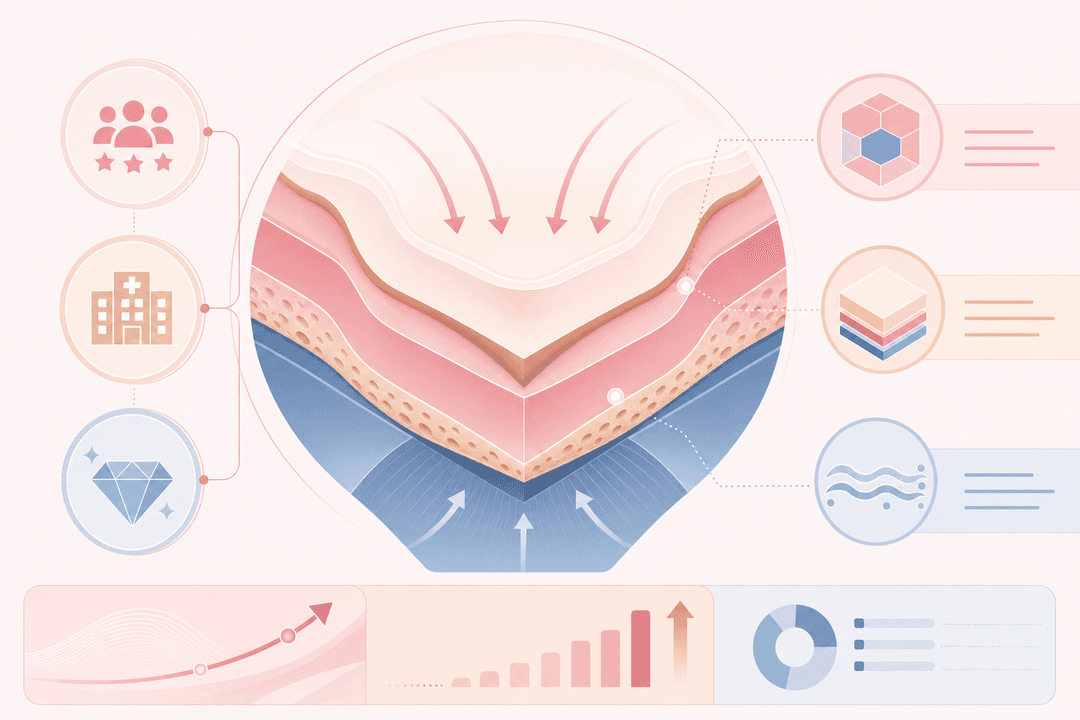 Specialized treatment clinics operate equipment and recovery programs specialized for facial contouring and are highly cost-effective, but transfer to an external hospital may be necessary in emergency situations. Please choose based on your health condition and the complexity of the surgery.
Tip If you are wondering which type of hospital suits your case, compare hospitals available for 1:1 consultation on K-Dia. You can check facility ratings, specialist experience, and recent case studies at a glance.Hidden Additional Costs: What Should You Check?
Items not listed on the estimate often increase the actual payment amount by 10-20%. Typical costs include PCA (Patient-Controlled Analgesia) for post-operative pain management, antibiotic prescriptions, compression bandages, and a one-night stay in the recovery room. PCA effectively manages pain for 48 hours immediately following surgery, but incurs a separate cost. Antibiotics are essential for preventing infection, and the prescription period is longer for more extensive osteotomies. A one-night stay in the recovery room is optional, but it is recommended for safety for patients undergoing surgery on three or more sites or those with a tendency to bleed. Since these costs vary significantly by hospital, be sure to confirm during the initial consultation whether the '24-hour post-operative care cost is included.' Follow-up visit fees, suture removal, and swelling management injections (steroids or PDRN) also accumulate based on the number of visits. Transparent hospitals inform you of these items in advance and offer 'no additional costs.' It also provides packages.
Caution In K-Dia, you can filter hospitals that specify the condition 'no additional costs'. When comparing quotes, check the total amount including hidden costs.
Hidden Items Frequency of Occurrence Cost Share PCA Pain Control 70% +3-5% 1 Night in Recovery Room 40% +5-8% Swelling Management Injection (3-5 times) 60% +2-4% 3D CT Rescan (Reoperation) 15% +5-8% Comparison of Cost Structures by Hospital Type
Large General Hospital [Safety First]
- Equipped with Emergency System and ICU
- Dedicated Anesthesiology Team On-site
- 20-25% Cost Premium
- Patients with Underlying Diseases Suitable
Recommended for patients with safety as the top priority
Contouring-focused clinic [Cost-effective]
- Specialized contouring equipment and programs
- Focus on recovery care
- 10-15% lower cost
- Suitable for healthy adults
Suitable for low-complexity cases
University Hospital [Strength in revision surgery]
- Research and education-based care
- Extensive experience with complex cases
- Medium cost Level
- Suitable for Revision and Asymmetry Correction
Recommended for Revision or Difficult Cases
Common Misconceptions
Misconception Expensive hospitals always yield better results
Truth While costs vary depending on facilities, equipment, and personnel, results are more significantly influenced by the medical team's recent case studies and surgical philosophy. Even among specialists certified by the Korean Academy of Maxillofacial Plastic and Reconstructive Surgery, having performed 'more than 100 facial contouring cases in the last 5 years and a revision rate of 5% or less' is a more important indicator. Prioritize evaluating the medical team's portfolio and communication style during consultation over cost. Misconception: If the quote is an 'All-in-One Package,' there are no additional costs. Truth: If you do not check the items included in the package in detail, PCA, recovery rooms, and swelling management injections may be missing. Request a quote that specifies 'all costs that may occur up to one month after surgery.' Transparent hospitals explain costs by item and require 'prior consent for any additional costs.' We adhere to principles.
Items to check during a quote consultation
- Is the osteotomy range and type of fixation material specified specifically for each surgical site?
- Is the anesthesia method (general vs. sedation), the presence of an anesthesiologist, and a recovery room monitoring system included?
- Is it distinguished whether the costs for 3D CT scans and customized guides are optional or mandatory?
- Are additional cost items specified for post-operative PCA, antibiotics, compression bandages, follow-up visits, swelling management injections, etc.?
- 'Package' If only the listed items are provided without detailed breakdowns, hidden costs of 10-20% may be added, so reconfirmation is essential.
Frequently Asked Questions
Is it possible to pay for facial contouring surgery via credit card installments or loans?
Most hospitals support credit card installments (3-12 months), and some offer partnerships for low-interest medical loans. However, since the total cost may increase by 5-10% when combining installment fees and loan interest, please calculate your actual out-of-pocket expenses before making a decision. Some hospitals also offer lump-sum payment promotions, so it is necessary to confirm this during the consultation.
Is the cost of revision surgery higher than the initial surgery?
Revision surgery is more difficult due to factors such as adhesion lysis, increased risk of nerve damage, and assessment of bone regeneration status; therefore, costs often increase by 20-40% compared to the initial surgery. 3D CT and customized guides are almost mandatory, and the surgery time takes an additional 1-2 hours. Hospitals specializing in revision surgery may differ from the hospital where the initial surgery was performed, so be sure to verify their case records.
Are low-cost hospitals dangerous?
Just because a hospital is cheap does not mean it is necessarily dangerous, but there are cases where costs are reduced due to the absence of an anesthesiologist, the lack of a recovery room, or the use of low-cost fixation materials. Specifically check the 'anesthesia method,' 'fixation brand,' and 'recovery room monitoring system' on the estimate. If it is more than 30% cheaper than the average, there is a high possibility that there are hidden risks.
Is a 3D CT scan absolutely necessary?
For cases with severe asymmetry (5mm or more), revision surgery, or thin bone thickness, 3D CT significantly enhances safety. While 2D X-rays may be sufficient for simple contour improvement, CT scans are recommended for square jaw surgery, where locating the inferior alveolar nerve is crucial. If the medical staff says it is "unnecessary," ask for the reason; if they say it is "essential," ask for an explanation of what information you will receive.
Are post-surgery swelling management injections an extra cost?
It varies by hospital. Some include 3-5 sessions in a package, but most charge per session. PDRN or steroid injections can reduce swelling 15-20% faster, but they are not mandatory. During the consultation, check whether a "swelling management program" is included and ask how much the additional cost is.
Is surgery abroad cheaper than in Korea?
While the surgery cost itself may be lower in some countries, when you factor in airfare, accommodation, interpretation fees, and the difficulty of post-operative care, the total cost may be similar to or even higher than in Korea. In particular, regular follow-up visits for 1 to 3 months after surgery are crucial for facial contouring, but this aspect is often lacking overseas. Since you can find hospitals with reasonable costs domestically, please compare them on K-Dia.
This content is for informational purposes only and does not replace medical advice. Always consult a specialist before the procedure.