Thread Lift Effects Last 6 Months to 2 Years: 3 Key Factors Determining Duration

The effects of thread lifting are divided into two stages: 'physical tension from the threads' and 'collagen regeneration,' with the latter determining 70% of the duration. While PDO threads completely decompose within six months, the generated collagen lasts for 12 to 24 months, with insertion depth and the number of threads being key variables. The difference in collagen synthesis rates between people in their 20s and 40s is approximately 40%, meaning the duration varies even with the same number of threads…
Dermatologist Explains: Real Clinical Data and Collagen Production Timeline
- Immediate Effect 30% + Collagen Effect 70%
- PDO Thread Dissolution: 6 Months, Collagen Maintenance: 12-24 Months
- Average Retreatment Interval: 14 Months
Immediately After vs. 3 Months Later — The Double Effect
"Doesn't it look best a week after, and then it just sags again?" This is the most common misconception heard in clinics. Thread lifting results occur in two phases.
Phase 1 is 'Mechanical Lifting,' from immediately after the procedure up to 2 weeks. PDO (Polydioxanone) threads physically pull up the skin tissue, instantly improving the jawline or nasolabial folds. This effect accounts for approximately 30% of the total result.
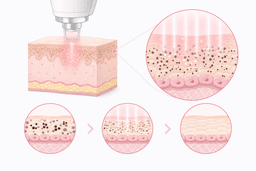
Phase 2 is 'Collagen Remodeling,' starting from week 4. Fibroblasts gather around the threads and begin synthesizing Type I collagen. This effect peaks at 8-12 weeks and constitutes 70% of the total result.
According to a 2021 clinical study by the Korean Dermatological Association, collagen density in the skin's dermis increased by an average of 42% three months after PDO thread insertion. This means the results are actually at their peak not immediately after, but three months later.
Therefore, when comparing photos taken 'one week after' and 'three months after' the procedure, the latter often appears more natural and elastic. This is because the initial swelling subsides, collagen settles in, and the skin texture itself improves.
Key Takeaway Thread lifting isn't just about 'pulling'; 'collagen production' is the core mechanism. Results gradually improve for up to three months.
- Immediate Mechanical Lifting: 30% of Total Effect
- 4-12 Weeks Collagen Neogenesis: 70% of Total Effect
- Collagen Density Increase at 3 Months: Average 42%
PDO Threads Dissolve in 6 Months, So Why Do Results Last Over a Year?

PDO threads have a dissolution period of approximately 180 days (6 months). However, the effects persist for 12-24 months even after the threads are completely absorbed due to the 'collagen matrix'.
When threads are inserted into the dermis, the surrounding tissue recognizes them as foreign bodies and sends fibroblasts. These cells weave collagen fibers densely around the threads, creating a 'natural scaffolding'.
According to FDA data, hydrolysis of PDO threads begins around 90 days post-insertion and is completely absorbed by 180 days. However, the newly generated collagen has its own turnover cycle of 12-18 months, thus maintaining structural support even after the threads disappear.
A 2019 study in the Journal of Cosmetic Dermatology examined tissue biopsies 18 months after PDO thread procedures. While no threads were detected, Type III collagen was still observed. This is evidence that the 'physiologically triggered response' lasts longer than the 'physical presence of the thread'.
Clinical Insight The threads themselves disappear in 6 months, but the generated collagen remains for up to 18 months, sustaining the lifting effect.
| Time Point | PDO Thread Status | Collagen Density | Perceived Effect |
|---|---|---|---|
| 0-2 Weeks | 100% Present | Baseline | Mechanical Pulling |
| 4-12 Weeks | Dissolution Begins (10-30%) | Increasing (+40%) | Peak Improvement |
| 6 Months | Completely Absorbed | Maintained (+35%) | 70-80% Remaining |
| 12 Months | Absent | Gradually Decreasing (+20%) | 50-60% Remaining |
| 18-24 Months | Absent | Approaching Baseline | Consider Retreatment |
- Complete PDO Thread Dissolution: 180 Days
- Collagen Turnover Cycle: 12-18 Months
- Type III Collagen Persistence at 18 Months Confirmed
3 Key Variables Determining Duration — Thread Count Isn't the Only Answer
Some people maintain results for two years with the same number of threads, while others see sagging within six months. Duration is determined by three key variables besides 'thread count'.
First, insertion depth. The difference in results between threads that reach the SMAS (superficial musculoaponeurotic system) layer and those that remain in the dermis is about 40%. Deeper layers yield greater collagen production and stronger structural support.
Second, individual collagen synthesis ability. Fibroblast activity in their 20s is, on average, 1.8 times higher than in their 40s, leading to more collagen production from the same stimulus. Studies also show that smokers synthesize collagen 30% slower than non-smokers.
Third, post-procedure care. Domestic clinical data indicates that combining oral Vitamin C intake (1000mg daily) with monthly laser toning sessions extended the collagen maintenance period by an average of 4 months.
In summary, it's not simply about 'how many threads' but 'where, how deep, and what post-procedure care' that differentiates results lasting one year versus two.
Tip Insertion depth and post-procedure care are more critical than thread count for duration. Combining Vitamin C and laser toning post-procedure can extend results by an average of 4 months.
- SMAS Layer Insertion vs. Dermis: Approx. 40% Difference in Effect
- Fibroblast Activity: 20s vs. 40s - 1.8x Difference
- Smokers' Collagen Synthesis Rate: 30% Lower than Non-Smokers
- Combined Vitamin C + Laser Toning: Average +4 Months Maintenance
20s vs. 40s — Same Threads, Different Results
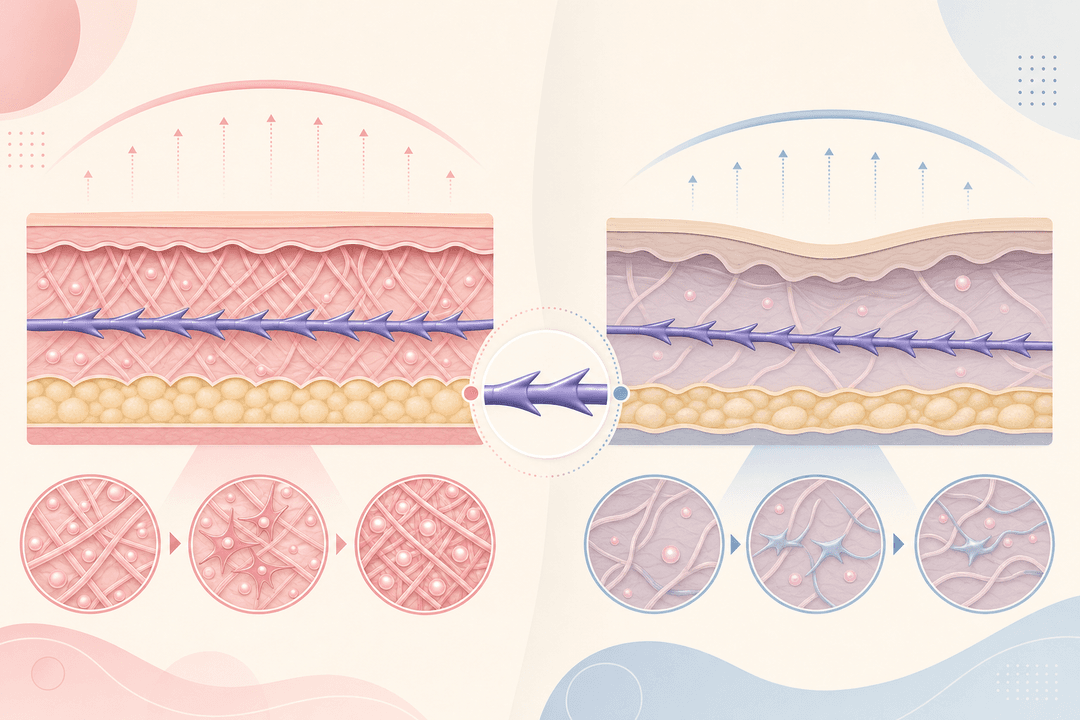
Results and duration vary significantly by age group due to differences in baseline skin condition and regenerative capacity.
In their 20s, baseline collagen density is high, so the immediate mechanical lifting effect is relatively less dramatic. However, fibroblast response is rapid, leading to a significant amplification of results after 3 months, with an average duration of 18-24 months.
In their 40s, immediate results are noticeable, but collagen synthesis is slower, causing a faster decline in effectiveness starting around 12-15 months. Additionally, the thinner dermis may lead to a stronger 'pulling sensation' even with the same number of threads.
According to a 2020 post-market surveillance report by the Korean Ministry of Food and Drug Safety, the average retreatment interval was 16 months for those under 30 and 12 months for those over 40. This highlights the need for age-specific treatment plans.
Therefore, for individuals in their 20s, a strategy of inserting fewer threads deeply for 'prevention + long-term maintenance' is effective. For those in their 40s, a combined approach using mid-to-superficial layers for 'immediate improvement + regular maintenance' is more efficient.
Caution Collagen synthesis rates differ by age. While results can last over 18 months for those in their 20s, they often last around 12 months for those in their 40s, necessitating different retreatment schedules.
| Age Group | Immediate Effect | Peak Effect Reached | Average Duration | Retreatment Interval |
|---|---|---|---|---|
| 20-29 | Moderate (High baseline collagen) | 3-4 Months | 18-24 Months | 16 Months |
| 30-39 | High | 2-3 Months | 14-18 Months | 14 Months |
| 40-49 | Very High (Immediately visible) | 2 Months | 12-15 Months | 12 Months |
| 50+ | High | 1-2 Months | 10-12 Months | 10 Months |
- Average Retreatment Interval (20s): 16 Months
- Average Retreatment Interval (40s): 12 Months
- Collagen Synthesis Rate Difference by Age: Up to 40%
Retreatment Timing — The Answer is 'When 50% of the Effect Remains'
"Can I just get it redone after it completely sags again?" This approach is inefficient. Retreatment is best performed 'when about 50% of the effect remains' to maximize cumulative collagen benefits.
When a second stimulus is applied while the collagen from the first procedure is still present, a new layer is added on top of the existing collagen matrix, creating a 'layer-by-layer accumulation effect'.
A 2018 study in Aesthetic Surgery Journal found that the group retreatment every 12 months had an average of 28% higher collagen density at 36 months compared to the group retreatment every 24 months. This demonstrates the efficiency of additional stimulation when a 'base remains'.
On average, 12-14 months post-procedure is the optimal time for retreatment. At this point, about 50-60% of the initial effect remains, and adding more threads can be expected to extend the duration by 20-30% longer than a single initial procedure.
Conversely, retreatment after complete sagging is like 'starting from zero' again, making it difficult to achieve cumulative effects and reducing cost-effectiveness.
Key Takeaway What's the right retreatment timing for your skin? Find a clinic offering K-Dia's collagen management protocol. They have a different strategy for cumulative effects.
- Optimal Retreatment Timing: When 50-60% of Initial Effect Remains
- Average Retreatment Interval: 12-14 Months
- 12-Month vs. 24-Month Interval: 28% Difference in Collagen Density at 36 Months
- Duration Extension with Cumulative Effects: 20-30%
Side Effects and Signs of Diminishing Results — Re-evaluate Immediately in These Cases
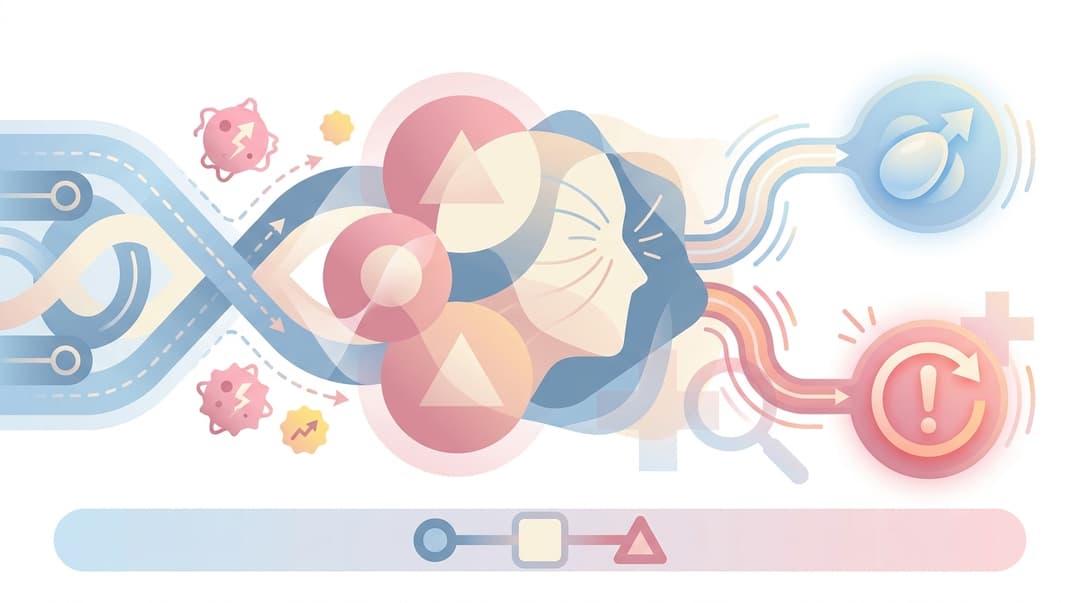
Thread lifting is relatively safe, but some individuals may experience faster-than-expected loss of results or asymmetry. This can be due to thread migration, inflammatory reactions, or individual constitution.
If one side of the face sags within 4 weeks post-procedure, or if a lump is palpable in a specific area, thread migration may be a possibility. In such cases, an ultrasound examination is necessary to confirm the thread's position.
Persistent swelling or redness beyond 8 weeks could indicate a mild inflammatory response. This can lead to excessive collagen production, causing over-tightening, or conversely, fibrosis that results in premature loss of effect.
If results rapidly diminish within 6 months, underlying factors such as smoking, diabetes, or immune disorders should be investigated. Diabetic patients, in particular, have lower fibroblast activity, leading to a 30-40% shorter duration compared to the average.
The main side effects reported in domestic post-market surveillance were temporary asymmetry (2.1%), thread palpability (1.8%), and localized infection (0.3%). Most are mild and resolve with conservative treatment, but early detection is crucial.
Caution If results disappear faster than expected or asymmetry is felt, re-evaluation within 6 months is recommended. Ultrasound can assess thread position and collagen status.
- Main Side Effects: Temporary Asymmetry 2.1%, Thread Palpability 1.8%, Localized Infection 0.3%
- Duration for Diabetics: 30-40% Shorter than Average
- Criterion for Premature Loss of Effect: Over 50% Dissipation within 6 Months
Thread Lifting vs. Other Lifting Procedures — Duration Comparison
Thread Lifting (PDO) [Mid-Term Duration]
- Duration: 12-24 Months
- Collagen Production Peak: 8-12 Weeks
- Retreatment Interval: 12-14 Months
- Immediate Effect: 30% / Cumulative Effect: 70%
Collagen neogenesis is key, making it suitable for regular maintenance due to cumulative effects.
Ultherapy (HIFU) [Long-Term Duration]
- Duration: 12-18 Months
- Collagen Production Peak: 12 Weeks
- Retreatment Interval: 12 Months
- Immediate Effect: 10% / Cumulative Effect: 90%
Low immediate effect but significant results after 3 months; strong for deep layer lifting.
Filler Lifting [Short-Term Duration]
- Duration: 6-12 Months
- Effect Onset: Immediate
- Retreatment Interval: 8-10 Months
- Immediate Effect: 95% / Cumulative Effect: 5%
Aimed at immediate volume enhancement; minimal collagen production requires regular re-injection.
Misconceptions Debunked
Myth Once the threads dissolve, the skin sags back to its original state.
Truth Threads completely dissolve in 6 months, but the generated collagen lasts for 12-24 months. It's not the thread itself but the 'collagen neogenesis triggered by the thread' that accounts for 70% of the actual lifting effect, ensuring long-lasting results even after the threads are gone. A 2019 study in the Journal of Cosmetic Dermatology found Type III collagen still present 18 months later, even though threads were undetectable.
Myth The more threads used, the longer the results last.
Truth Insertion depth and individual collagen synthesis ability are more crucial than the number of threads. The difference in effect between threads reaching the SMAS layer and those staying in the dermis is about 40%. Furthermore, the 1.8x difference in fibroblast activity between those in their 20s and 40s can lead to a duration difference of over 6 months with the same number of threads. The key is 'where and how deep,' not just quantity.
Essential Post-Thread Lifting Precautions for Maintaining Results
- Avoid saunas, steam rooms, and hot yoga for 2 weeks post-procedure — Heat accelerates PDO dissolution by 30%.
- Refrain from excessive chewing (tough foods, gum) for 4 weeks — Jaw movements are a primary cause of thread migration.
- Smoking reduces collagen synthesis by 30% — Quitting for at least 8 weeks is recommended.
- Avoid high-intensity exercise and massage within 1 week of the procedure — Stimulating before threads are anchored increases the risk of asymmetry.
- Re-evaluation is essential if over 50% of the effect is lost by 6 months — Premature loss may signal underlying health issues.
Frequently Asked Questions
When can I start feeling the effects after the procedure?
You'll feel an immediate mechanical pulling effect, but the true peak results are seen at 3 months. Collagen production maximizes between 8-12 weeks, simultaneously improving skin elasticity and lifting. This is why photos taken at 3 months are often more natural and satisfying than those at 1 week.
I heard the effects last for 2 years, is that true?
There's significant individual variation. If you're in your 20s, had threads inserted deeply into the SMAS layer, and followed post-procedure care (Vitamin C, laser toning), 18-24 months is possible. However, those in their 40s, smokers, or diabetic patients should consider retreatment around 12 months. The average is 12-18 months.
When is the best time for retreatment?
The optimal time is 12-14 months, when about 50% of the effect remains. Stimulating further while existing collagen is present leads to cumulative effects, extending duration by 20-30%. Retreatment after complete sagging means 'starting from zero' again, which is inefficient.
Does the skin suddenly sag when the threads dissolve?
No. While threads fully dissolve in 6 months, the generated collagen lasts for 12-24 months. Therefore, the 'time of thread disappearance' and the 'time of effect disappearance' are different. Results gradually decrease, with virtually no abrupt changes.
One side seems to be sagging faster, is that normal?
If significant asymmetry is felt within 4 weeks, thread migration is possible, and an ultrasound examination is recommended. Sleeping on one side or excessive chewing in the first two weeks post-procedure can cause threads to shift. Early detection allows for correction.
How can I maintain the effects for a longer period?
Insertion depth is most important. Subsequently, combining oral Vitamin C (1000mg daily) and monthly laser toning can extend results by an average of 4 months. Additionally, avoiding smoking, high-temperature environments, and excessive jaw movement is crucial. Individual collagen synthesis ability is also a factor, so discuss your baseline condition with your specialist before the procedure.
This content is for informational purposes only and does not substitute for medical advice. Always consult with a specialist before undergoing any procedure.
Find a clinic specializing in thread lifting tailored to you at K-Dia