Laser Toning: 3 Sessions vs. 10 Sessions, Skin Thickness That Determines the Results
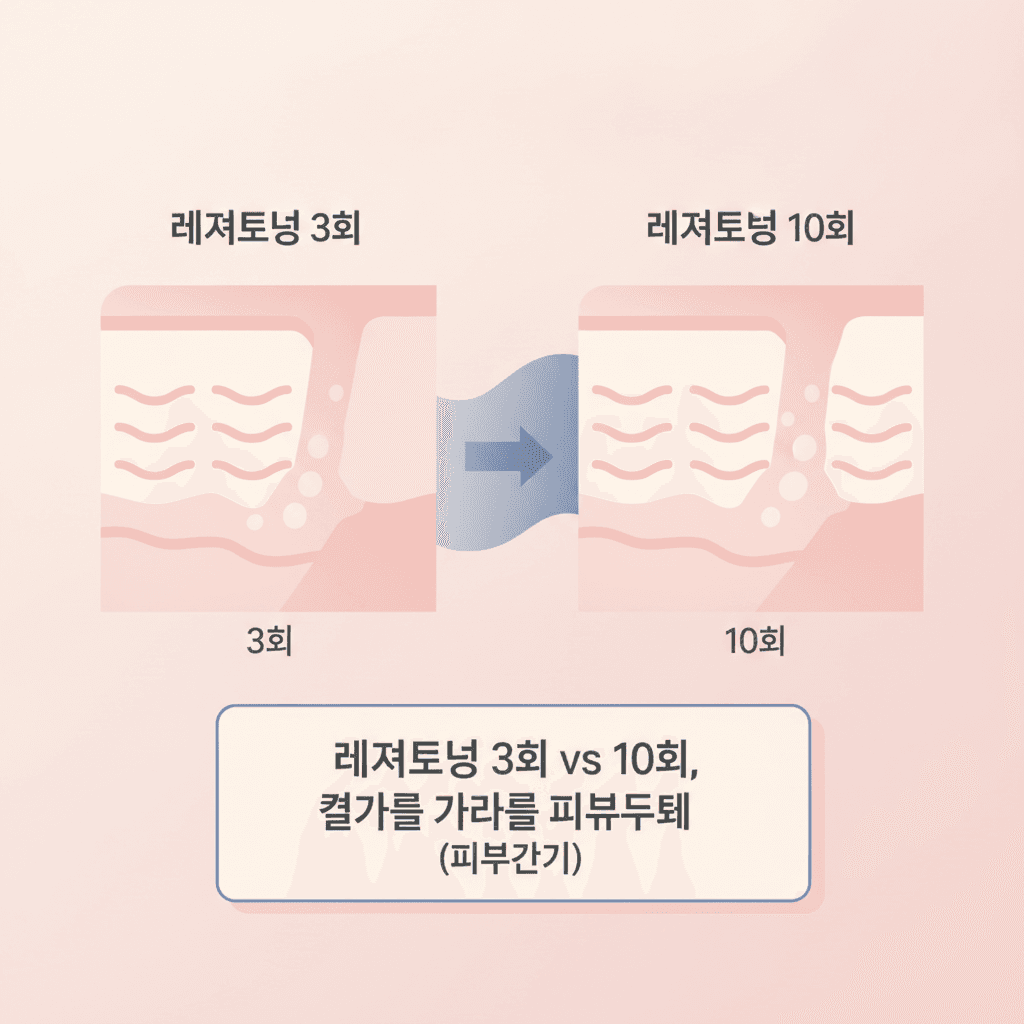
- Even with the same 10 treatments, results can vary dramatically depending on skin thickness and melanin activity. Thin dermis layers may rebound early, while thick epidermis layers experience delayed responses.
- While a 6-8 week interval is safe for the 1064nm wavelength, intervals of 2 weeks can actually cause hyperpigmentation if the stratum corneum is less than 40μm thick.
- Melasma, blemishes, and freckles have different melanin depths, so expecting laser toning alone to resolve them all is only half correct. Understanding the criteria for combined treatments will reduce regret.
Information as of July 2026
Between Expectation and Reality
- 30-40% improvement on average after 10 sessions
- 2.3x higher risk of pigment rebound within 3 sessions for thin skin
- A 0.5mm difference in dermal thickness affects maintenance duration by about 3 months
Why You Need to Know the Downsides of Laser Toning in Advance
Many people regret signing up for a 10-session package with the expectation of brighter skin seen on social media, only to find their skin becoming more uneven after the third session. This article covers everything from skin conditions that affect laser toning results to common side effect patterns and criteria for assessing individual differences.
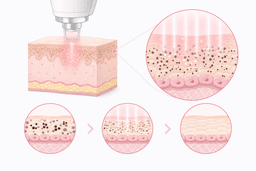
Laser toning works by using a Q-switched Nd:YAG laser with a 1064nm wavelength to selectively destroy melanin in the epidermis. Since its introduction in Korea in 2010, it has become a popular choice for treating melasma and hyperpigmentation. However, results vary significantly even with a 0.3-0.5mm difference in dermal thickness. Some people see improved tone in just two weeks, while others show minimal change even after 10 sessions.
According to a 2019 report by the Korean Dermatological Association, the average improvement after 10 sessions of laser toning was 30-40%. However, 18% of respondents experienced no effect or worsening of their condition. This difference is not due to the procedure itself but rather the skin's structure and melanin distribution.
Caution If the epidermal stratum corneum is less than 40μm thick, or if you already have post-inflammatory hyperpigmentation (PIH), laser toning can paradoxically stimulate pigment. A skin barrier assessment should be performed before the procedure.
The Mechanism by Which Skin Thickness Determines Results
The 1064nm wavelength of laser toning penetrates the epidermis and reaches the upper dermis. The issue is that skin thinner than 0.5mm in dermal thickness accumulates heat rapidly, increasing the risk of stimulating melanocytes by 2.3 times.
Conversely, if the stratum corneum is thick or epidermal melanin density is high, the laser energy may not reach the target depth sufficiently. In such cases, there is little to no change in the first 3-5 sessions, with gradual improvement appearing from session 7-10.
In actual clinical practice, the group with a dermal thickness of 0.8mm or more, as measured by the VISIA skin analyzer, showed an average maintenance period that was 3 months longer after 10 sessions compared to the group with less than 0.5mm dermal thickness. This is because thicker skin experiences a slower onset of melanin rebound (pigment regeneration).
- Dermal thickness < 0.5mm: 2.3x higher risk of pigment rebound within 3 sessions, requires 6-8 week intervals
- Stratum corneum < 40μm: 22% incidence of PIH with 2-week intervals (2019 Korean Dermatological Association)
- Dermal thickness ≥ 0.8mm: Average maintenance period extended by 3 months after 10 sessions
True or False Quiz
Laser toning is faster and more effective on thinner skin.
Check the answer
False Thin skin with dermal thickness less than 0.5mm has a 2.3x higher risk of pigment rebound due to heat accumulation stimulating melanocytes. Thicker skin also has an average maintenance period that is 3 months longer.
3 Common Patterns of Laser Toning Side Effects
The first is melanin rebound. This occurs when melanocytes, destroyed by the laser, become overactive and cause the pigment to darken even more than before the procedure. It is most common in thin skin treated with high-intensity sessions at 2-week intervals.
The second is post-inflammatory hyperpigmentation (PIH). This happens when laser heat causes epidermal damage, leading to excessive melanin production during the healing process, accounting for 15-20% of laser toning side effects. It can persist for over 6 months if combined with sun exposure or improper home care.
The third is uneven response. This means some areas of the face become brighter while others, like the forehead, show no change, or only the jawline develops spots. This is due to differences in melanin depth, skin thickness, and blood flow in different areas, and occurs when treatment intensity is applied uniformly.
Clinical Insight For PIH, sun protection and moisturization within 72 hours after the laser treatment are crucial for 80% of prevention. During this period, reapplication of SPF50+ sunscreen every 3 hours and applying CICA cream twice daily are recommended.
| Side Effect | Onset | Duration | Primary Cause |
|---|---|---|---|
| Melanin Rebound | After 3-5 sessions | 2-6 months | Thin dermis, short intervals, high intensity |
| Post-Inflammatory Hyperpigmentation (PIH) | Immediately after treatment - 2 weeks | 3-12 months | Epidermal damage, sun exposure |
| Uneven Response | After 5-10 sessions | Highly individual | Differences in melanin depth/thickness by area |
Differences in Laser Toning Effectiveness for Melasma, Freckles, and Sunspots
Laser toning is most effective for epidermal melanin, but melasma, where melanin is deeply embedded in the dermis, cannot be completely resolved with laser toning alone. For melasma, epidermal melasma shows 50-60% improvement after 10 sessions, while dermal and mixed melasma only improve by 20-30%.
Freckles, being melanin in the superficial epidermal layer, respond well to laser toning. They often become noticeably lighter after 3-5 sessions, but are prone to recurrence with sun exposure, with over 70% becoming darker again within 6 months without maintenance.
Sunspots (age spots) have high melanin density, making high-intensity Q-switched lasers or picotoning (PicoSure, PicoWay) faster than laser toning. Laser toning alone may require 10-15 sessions, and some spots may persist.
- Epidermal melasma: 50-60% improvement after 10 sessions; dermal/mixed melasma: 20-30%
- Freckles: Good initial results in 3-5 sessions, but 70% recurrence within 6 months with sun re-exposure
- Sunspots (age spots): Laser toning 10-15 sessions vs. Picotoning 3-5 sessions; intensity difference needs consideration
Limitations of Laser Toning and Criteria for Combined Treatment
While laser toning is useful for preventive maintenance, it has clear limitations for already established deep melasma or extensive hyperpigmentation when used alone. In such cases, combining it with tretinoin cream (0.025-0.05%), hydroquinone 4%, or oral tranexamic acid is the international guideline.
Combined treatment with other wavelength lasers such as picotoning or IPL (Intense Pulsed Light) is also considered. For example, laser toning can even out the overall skin tone, followed by spot treatment of residual sunspots with a picosecond laser. However, a minimum interval of 4 weeks is required between these procedures.
The crucial point is to determine before the procedure whether 'this pigment is treatable with laser toning alone'. Evaluating melanin depth with a Wood's lamp and, if dermal melasma constitutes over 50%, planning for combined treatment from the outset can save time and money.
Key Takeaway If the improvement after 10 sessions of laser toning is less than 30%, it's time to consider combining it with melanin suppressors (tretinoin, hydroquinone) or switching to a picosecond laser, rather than undergoing another 10 sessions.
Laser Toning: What You Absolutely Must Check
First, the treatment interval. For skin with dermal thickness less than 0.5mm or a thin stratum corneum, a 6-8 week interval is safe; a 2-week interval can induce pigment rebound. Shortening the interval for faster results is counterproductive.
Second, sun protection. After laser toning, melanocytes are more active than usual, so failing to reapply SPF50+ PA++++ products every 3 hours increases the risk of PIH by more than three times.
Third, realistic expectations. Laser toning is not a procedure that 'completely erases' pigment but rather one that 'gradually lightens' it. An average improvement of 30-40% after 10 sessions is typical, and without maintenance, the skin returns to about 70% of its original tone within 6 months.
- Treatment interval: 6-8 weeks for thin skin, 4 weeks for thicker skin
- Risk of PIH increases 3x without sun protection (SPF50+ reapplication every 3 hours is essential)
- 70% of effects are lost within 6 months without maintenance; maintenance sessions every 3-6 months are recommended
- If Wood's lamp examination confirms over 50% dermal melasma, consider combined treatment first
Laser Toning vs. Picotoning vs. IPL
Laser Toning (1064nm Nd:YAG) [Gradual Improvement]
- Sessions: 10-15
- Interval: 2-8 weeks (depending on skin thickness)
- Suitable Pigment: Epidermal melasma, freckles, overall tone improvement
- Average Improvement: 30-40%
- Maintenance Period: 3-6 months (with maintenance sessions)
High risk of pigment rebound for thin skin, interval adjustment is crucial
Picotoning (PicoSure 755nm, PicoWay 1064nm) [Fast Results]
- Sessions: 3-6
- Interval: 4-6 weeks
- Suitable Pigment: Sunspots, tattoo removal, dermal melanin
- Average Improvement: 50-70%
- Maintenance Period: 6-12 months
3-5x higher cost, but fewer sessions and lower risk of side effects
IPL (Intense Pulsed Light) [Broad Wavelength Spectrum]
- Sessions: 5-10
- Interval: 3-4 weeks
- Suitable Pigment: Superficial freckles, concurrent redness, mixed pigment
- Average Improvement: 40-50%
- Maintenance Period: 4-8 months
Effective for blood vessels and pores in addition to pigment; risk of unevenness exists
Selection Guide Based on Your Skin Condition
VISIA measured dermal thickness < 0.5mm, thin stratum corneum
Start with laser toning at 6-8 week intervals, evaluate response after 3 sessions
Short intervals carry a 2.3x higher risk of pigment rebound; maintenance intervals also need to be longer
Wood's lamp shows over 50% dermal melasma
Prioritize combination therapy with tretinoin/hydroquinone over laser toning alone
Dermal melanin shows only 20-30% improvement with laser toning alone, so combined treatment is more efficient from the start
Mainly freckles/superficial sunspots, desire for quick results
Picotoning for 3-5 sessions or combined laser toning + IPL
Picosecond lasers are more effective per session for superficial epidermal melanin, and IPL is advantageous for covering large areas
Already received 10 laser toning sessions with less than 30% improvement
Consider switching to picosecond laser or combining with medication rather than another 10 sessions
If response is minimal even after 10 sessions, the melanin depth/type is likely outside the suitable range for laser toning
Common Misconceptions
Misconception Pigment permanently disappears after completing a 10-session laser toning package.
Truth Without maintenance sessions, 70% of the effects are lost within 6 months. Melanocytes can be reactivated by UV rays and hormonal stimuli, making maintenance sessions every 3-6 months and consistent sun protection essential.
Misconception Shortening the interval to 2 weeks leads to faster skin brightening.
Truth For thin skin, 2-week intervals can actually cause melanin rebound and PIH. For skin with dermal thickness less than 0.5mm, a 6-8 week interval is safe; preventing side effects is prioritized over rapid results.
Absolute Contraindications Before and After Laser Toning
- Saunas, steam rooms, and hot showers within 72 hours post-treatment (3x increased risk of PIH due to heat accumulation)
- Failure to reapply SPF50+ sunscreen every 3 hours (reactivation of melanocytes)
- Use of exfoliating cosmetics like AHA, BHA, or retinol on the day of treatment (aggravates epidermal damage)
- Receiving more than 10 sessions of laser toning for dermal melasma without a Wood's lamp examination
- Ignoring signs of melanin rebound (darkening pigment after 3-5 sessions) and maintaining intensity/frequency
Frequently Asked Questions
My pigment has worsened after 3 laser toning sessions. Should I continue?
It's likely a sign of melanin rebound. You should temporarily stop the treatment and re-evaluate your dermal thickness, treatment interval, and intensity. If you have thin skin, consider extending the interval to 6-8 weeks or combining with tretinoin.
Laser toning was ineffective; I had 10 sessions and saw almost no change.
Check your melanin depth with a Wood's lamp. Dermal or mixed melasma only shows 20-30% improvement with laser toning alone, so switching to a picosecond laser or combining with hydroquinone/tretinoin is necessary.
I developed PIH as a side effect of laser toning. How long does recovery take?
Mild PIH can improve within 3-6 months with tretinoin and vitamin C, but severe cases can persist for over 12 months. Sun protection and moisturization within 72 hours after the procedure are crucial for 80% of prevention.
When can I wear makeup after laser toning?
You can wear makeup the next day, but it's best to use only mineral sunscreen and avoid colored cosmetics on the day of treatment. Heavy coverage products can clog pores and delay healing, so they are recommended after 48 hours.
How can I predict individual differences in laser toning results?
Measuring dermal thickness and melanin density with VISIA, and melanin depth with a Wood's lamp, can predict results with about 80% accuracy. Dermal thickness below 0.5mm and epidermal stratum corneum below 40μm are classified as high-risk groups for side effects.
What are the common cases of regret after laser toning?
Common cases include setting expectations for 'complete removal,' neglecting sun protection leading to PIH, and undergoing more than 10 sessions of laser toning for dermal melasma alone. Pre-treatment assessment and realistic goal setting reduce regret.
Lumi's Word
Laser toning is not 'magic' but a tool that shines when tailored to your skin's condition. Checking if your skin is thin or where your melanin is located first halves your potential regret. Lumi supports your desire for brighter skin.
This content is for informational purposes only and does not substitute medical advice. Always consult with a specialist before undergoing any procedure.