Is it correct that results from laser lipolysis are maintained for 3 months without yo-yo effect?

- The deciding factor for duration isn't treatment intensity, but inflammation management during the first three days.
- Fat broken down by the laser is expelled over three months, and weight fluctuations during this period determine the final results.
- Even with the same procedure, the duration can vary from six months to over a year depending on aftercare methods.
Information as of September 2026
Comparison of durations by management method
- The first 72 hours of care determine 60% of the final result.
- Average maintenance period 6-12 months
- 15% reduction in re-treatment rate when weight fluctuation is maintained within ±3kg
If you feel like things have returned to normal three months after the procedure
About three months after receiving laser lipolysis, many people ask, saying that the volume they initially lost seems to have returned .
In this article, we summarize the three variables that determine the maintenance period and the differences based on management methods.
To start with the conclusion, the effects of the procedure itself are not permanent . The broken-down fat cells do not regenerate, but they become prominent again if the remaining cells enlarge or new fat accumulates.
There are three standards for post-laser fat reduction care.
First, maintain a weight fluctuation of within ±3kg . If your weight increases by more than 2kg over the three months following the procedure, the remaining fat cells will swell, reducing the effectiveness by half.
Second, inflammation management during the first 72 hours accounts for 60% of the final outcome.
Third is lymphatic circulation. Decomposed fat is expelled through the lymph, but if circulation is slow , the elimination period extends from 3 to 5 months .
If you gain weight at this time, new fat accumulates before it is expelled.
Caution: Drinking alcohol or using a sauna for one week immediately following the procedure amplifies the inflammatory response by more than twofold, causing fibrosis. Once this fibrotic tissue hardens, the effectiveness of the re-procedure also decreases.
OX Quiz
After laser lipolysis, the broken-down fat cells regenerate.
Check the answer
The broken - down fat cells themselves do not regenerate. However, if the remaining cells swell or new fat accumulates, it may visually appear as if it has returned to its original state.
How much does the actual maintenance period vary by management method?
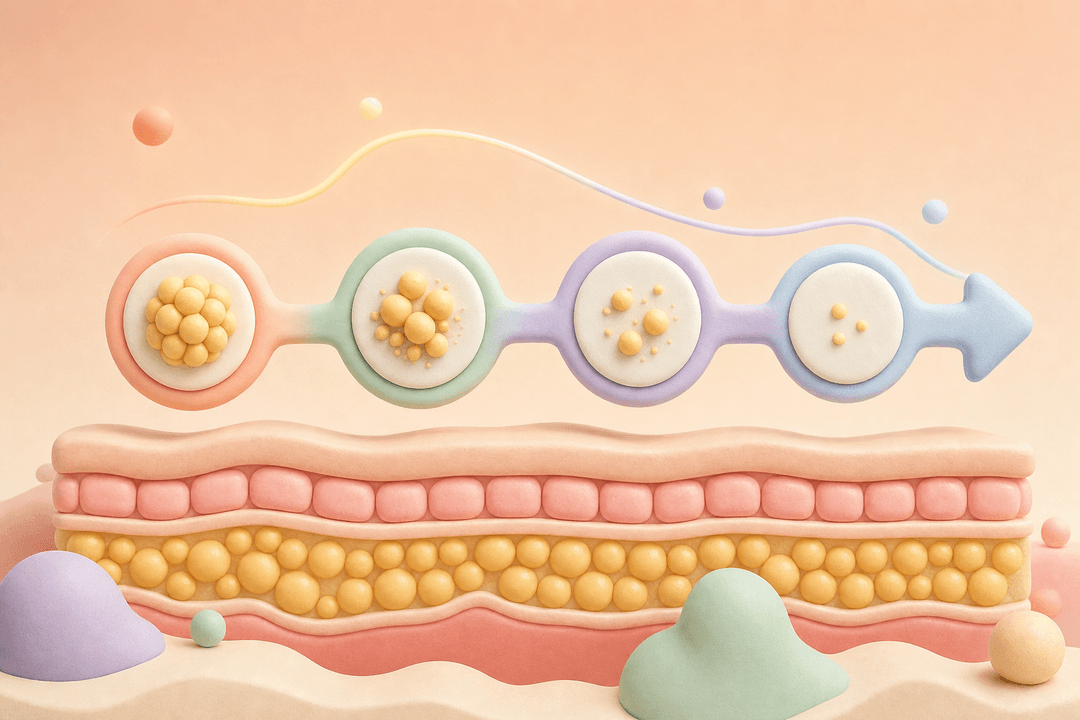
When wearing only a compression garment without dietary control, the average duration of maintenance is 6 to 8 months. This is because while compression garments reduce swelling, they do not prevent weight gain.
Conversely, if you combine compression garments + weight maintenance + lymphatic massage twice a week, it will extend to 12–18 months.
However, there is something that is surprisingly often overlooked: weight gain outside the treatment area . If you receive treatment only on your thighs and gain weight in your abdomen, your thighs will visually appear thicker again.
| Management method | Average maintenance period | Re-treatment rate |
|---|---|---|
| Compression garment alone | 6-8 months | 40% |
| Compression garment + weight maintenance | 10-12 months | 25% |
| Compression garment + weight maintenance + lymphatic drainage | 12-18 months | 15% |
The duration of the effect may vary depending on individual constitution and lifestyle, and the scope and depth of the procedure also have an impact.
The key is the three months until the discharge is completed.
The true results of laser lipolysis are seen 3 months after the procedure, not on the day of treatment. If you gain more than 2kg during this period, new fat accumulates before the old fat is expelled, reducing the effectiveness by half.
Conversely, if you endure this period well, the difficulty of management drops significantly afterwards.
The basic regimen involves wearing a compression garment for at least 6 weeks and lymphatic massage twice a week for 8 weeks. If you also maintain your weight within ±3kg, many patients are able to maintain the results for over a year without the need for re-treatment.
- 15% re-treatment rate if weight fluctuation is maintained within ±3kg during the first 3 months
- The minimum treatment period is 6 weeks of compression garments + 8 weeks of lymphatic drainage.
My Management Priorities by Situation
If swelling is severe one week after the procedure
Wear compression garment for 24 hours + repeat cold compresses every 15 minutes
If you have gained 2kg in the 3rd month
Increase lymphatic massage to 3 times a week and readjust your diet; it is essential.
Common misconceptions
Misconception: Exercising after the procedure makes you lose fat faster.
Truth: Intense exercise during the first two weeks worsens inflammation and actually causes fibrosis. Start light walking after three days and strength training after two weeks.
This behavior reduces the maintenance period by half.
- Drinking alcohol, saunas, or steam rooms within 1 week after the procedure (inflammatory response amplified by 2 times)
- Discontinue wearing the compression garment (if the swelling hardens, a bumpy surface will form)
- Rapid weight gain within 3 months after the procedure (accumulation of new fat before elimination)
Frequently Asked Questions
How long do I have to wear the compression garment?
Wearing it for at least 20 hours a day for a minimum of 6 weeks is standard. For the following 2 weeks, wearing it only while sleeping is sufficient.
If I gain weight after the procedure, is it inevitably a rebound effect?
If the change is within ±3kg, it is considered a temporary fluctuation; if it exceeds this, the remaining fat cells enlarge, reducing the effect by half.
What side effects should I be careful of after the procedure?
If inflammation is neglected during the first week, fibrosis and an uneven surface may develop, which are difficult to recover from.
A word from Rumi
Those who maintain the effects of the procedure for over a year have one thing in common: they viewed the first three months as the true maintenance period and stuck to their weight. If you can just get through this period, daily routine care alone will be sufficient afterwards. It is not too late to start today.
This content is for informational purposes only and does not replace medical advice. Please consult a specialist before the procedure.