One new read every day, done in 3 minutes
 Skincare
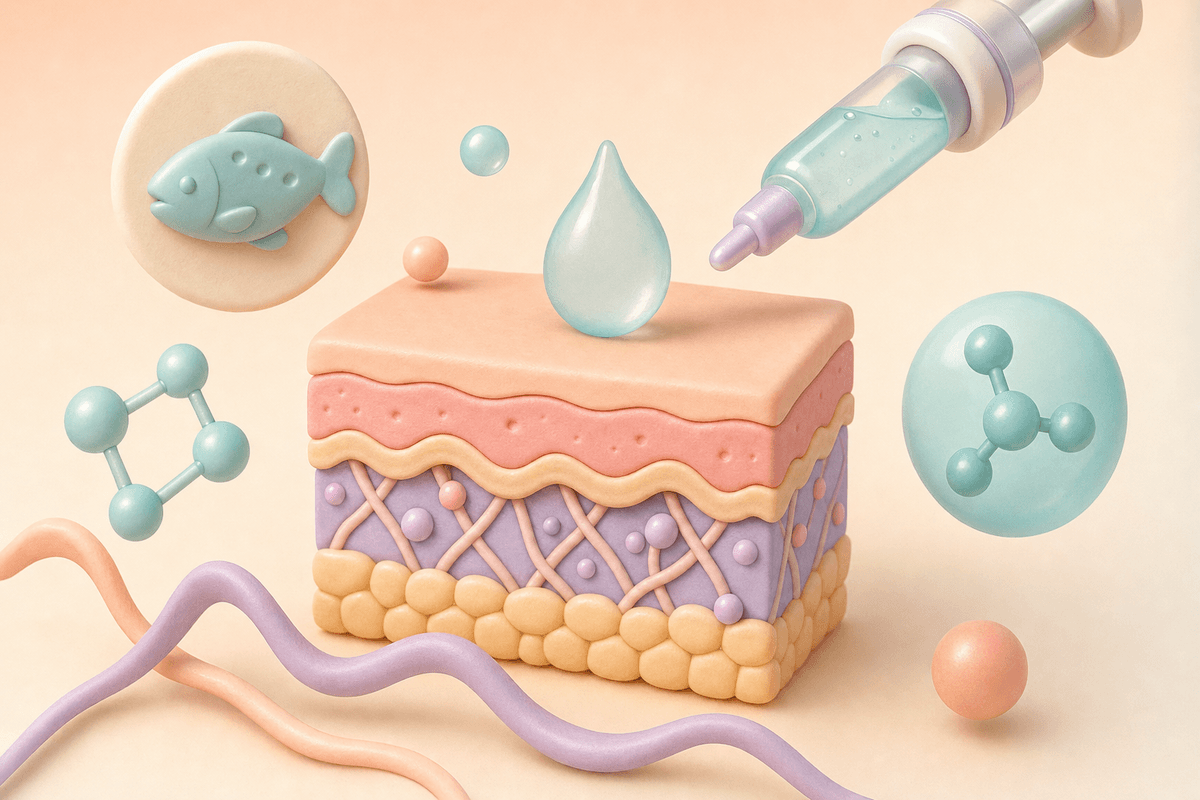
PDRN is categorized into over 12 products based on molecular weight, concentration, and added ingredients, with different products suitable for dry, oily, or sensitive skin types.
 Skincare
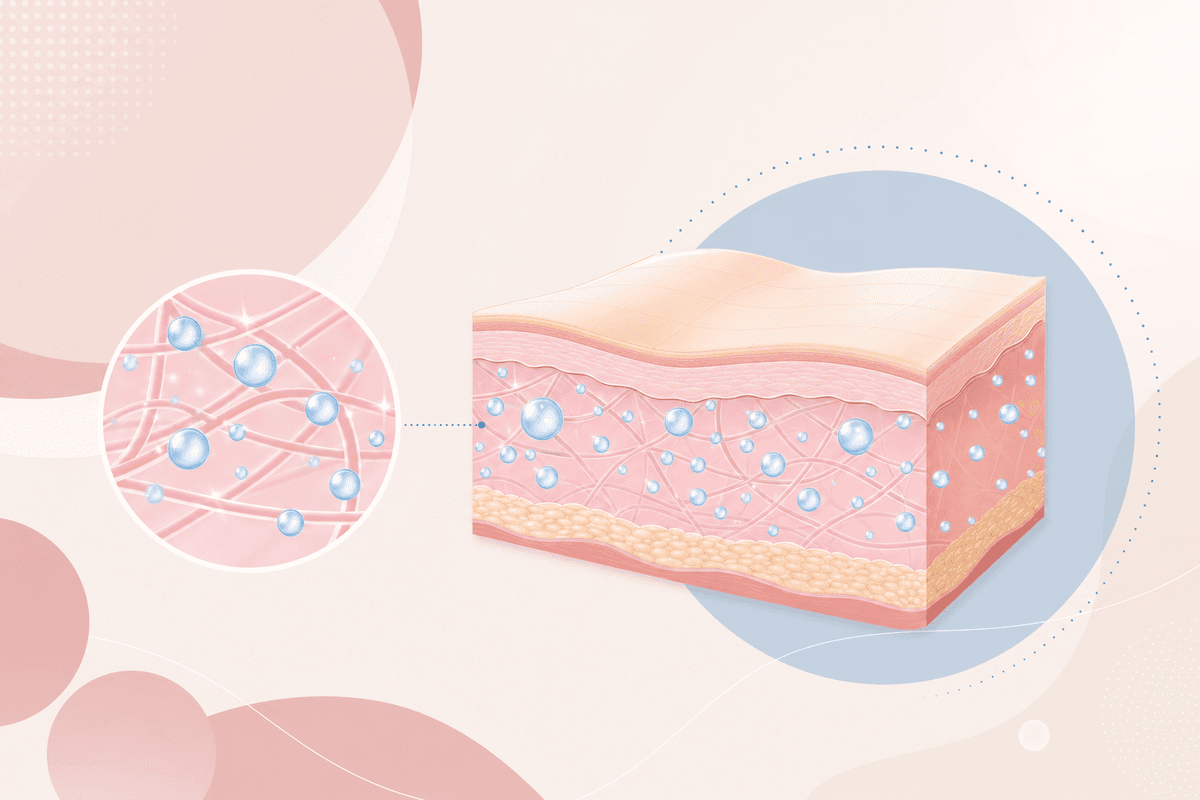
XC and XT are distinct formulations with different hyaluronic acid concentrations and viscosities — even within the same brand, they target completely different skin layers and concerns.
 Skincare
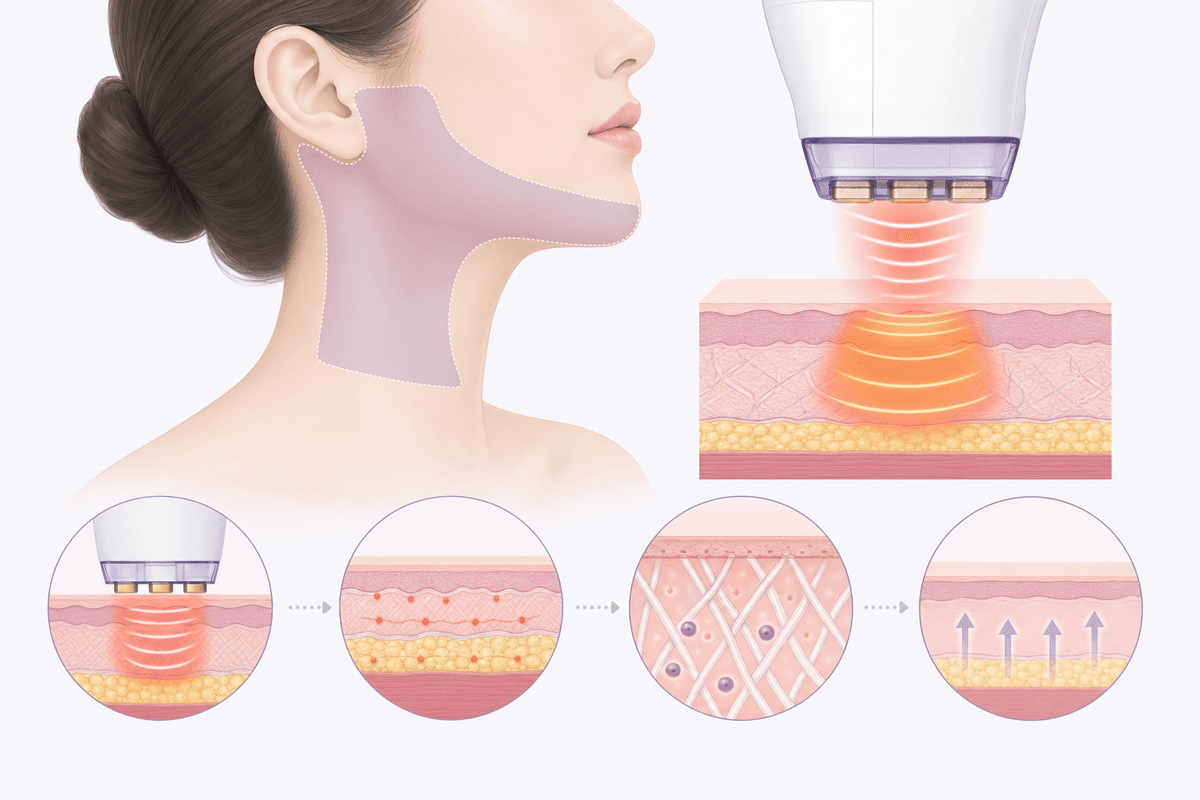
InMode isn't a single device, but a platform that combines 5 types of handpieces by depth — knowing only FX and Forma means missing half your target audience.
 Skincare
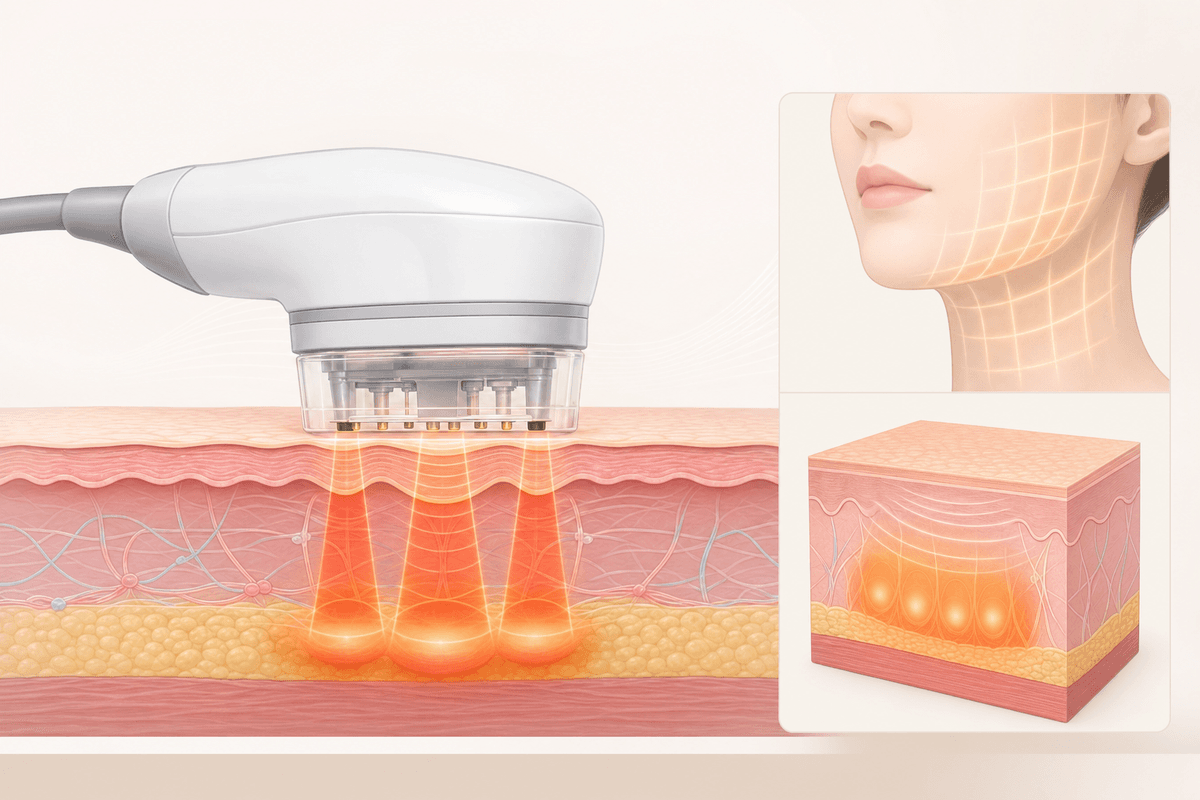
InMode treatments can see up to a 3x difference in response rates depending on subcutaneous fat thickness and collagen density.
 SkincareHOT
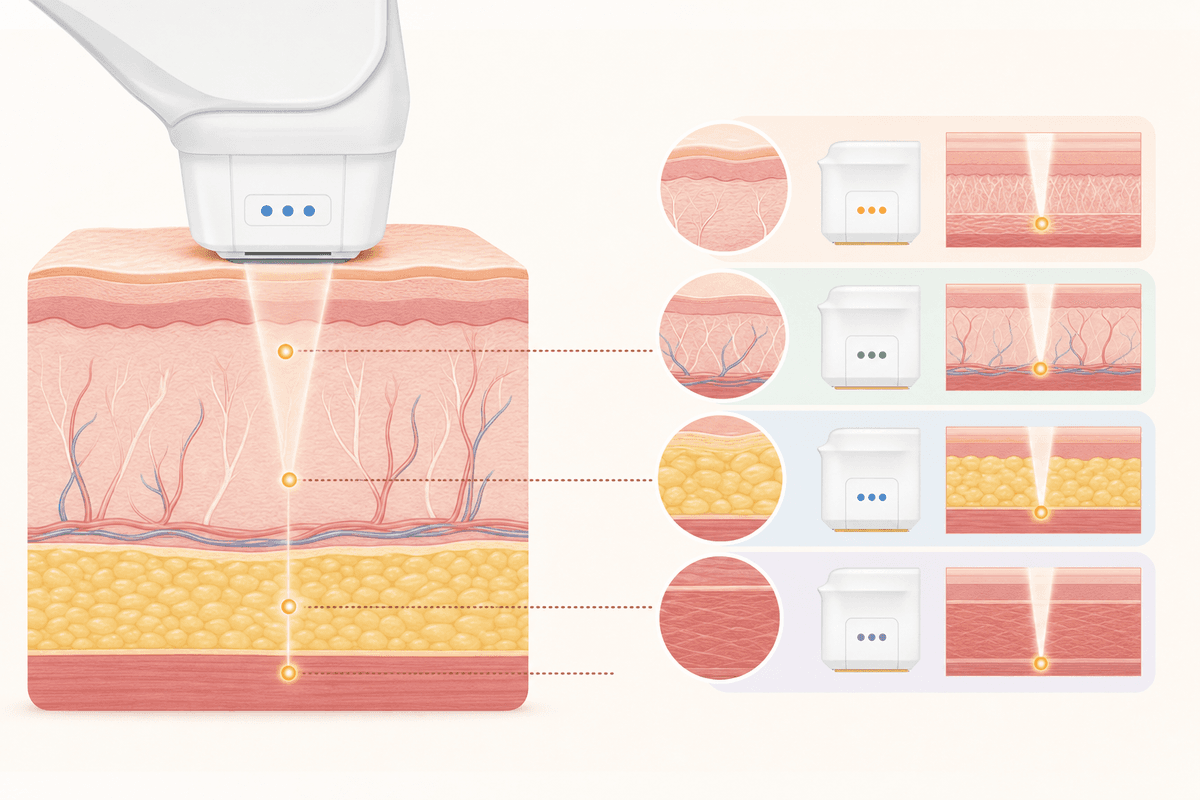
Ultherapy delivers thermal energy to the fascial layer via ultrasound (HIFU) for structural lifting, while Thermage focuses on dermal collagen regeneration through radiofrequency (RF)—their depths of action and mechanisms are completely different. Ultherapy excels at improving sagging and facial contours, while Thermage shows strength in elasticity, pores, and fine lines. Though the cost differs by 2-3 times, comparing them as "more expensive = better" is a misconception. For those in their 30s and under, Thermage and InMode are the priority for elasticity management, while for those in their 40s and above, Ultherapy and Shrink are the first choice for addressing sagging. Combo protocols combining both procedures on the same day are also actively being applied in clinical practice.
 Skincare
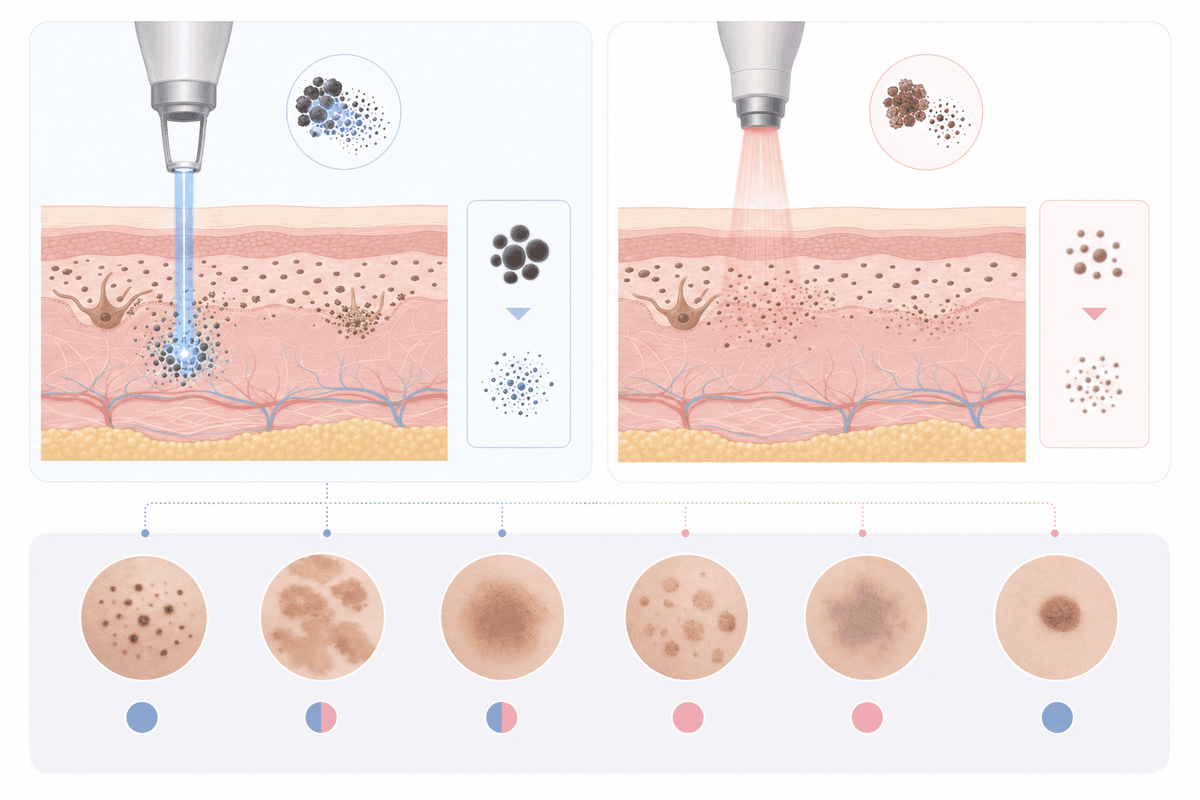
Pico toning breaks down melanin into physical shockwaves using picosecond (one trillionth of a second) pulses, while laser toning melts pigments using nanosecond thermal energy.
 SkincareHOT
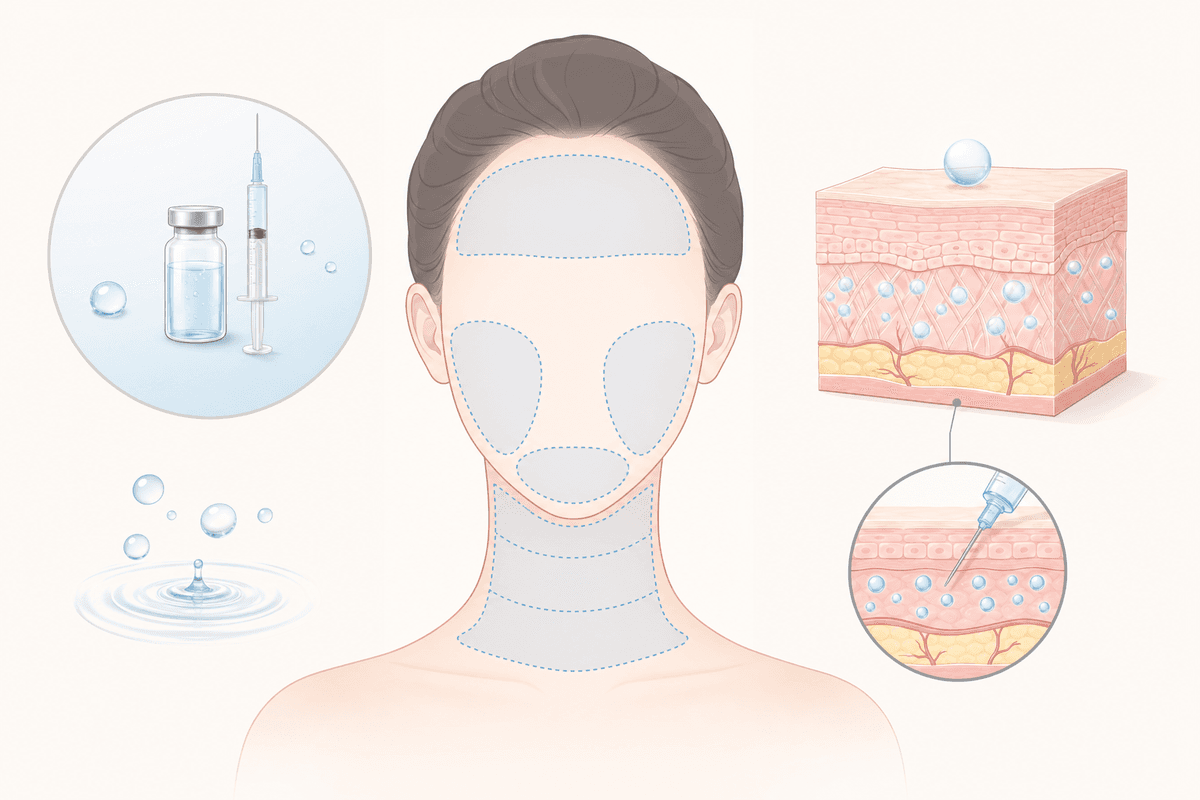
Skin boosters vary in the depth of action and duration depending on ingredients such as hyaluronic acid, PDRN, and amino acids.
 Skincare
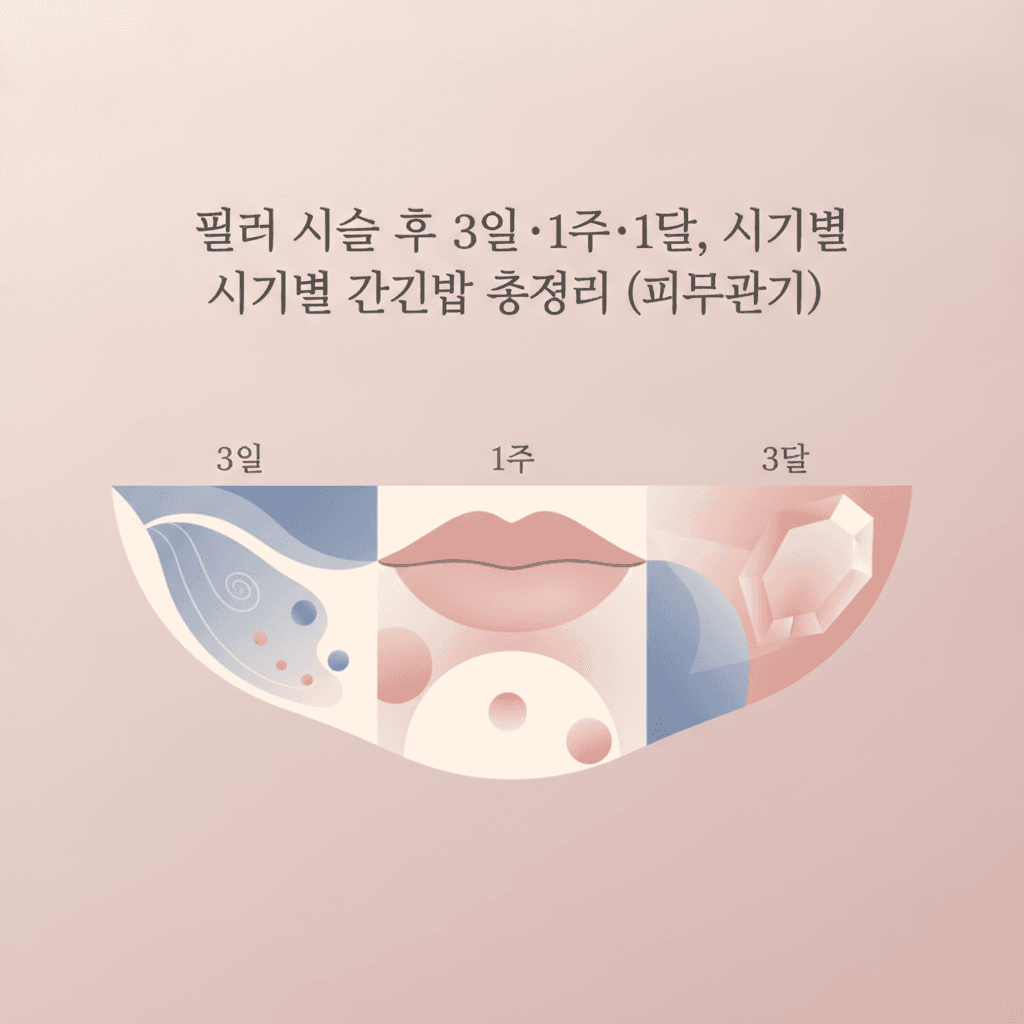
The first three days after a filler procedure are the "golden time" that determines the final duration of the effect, not only for managing swelling and bruising but also for other purposes.
 Skincare
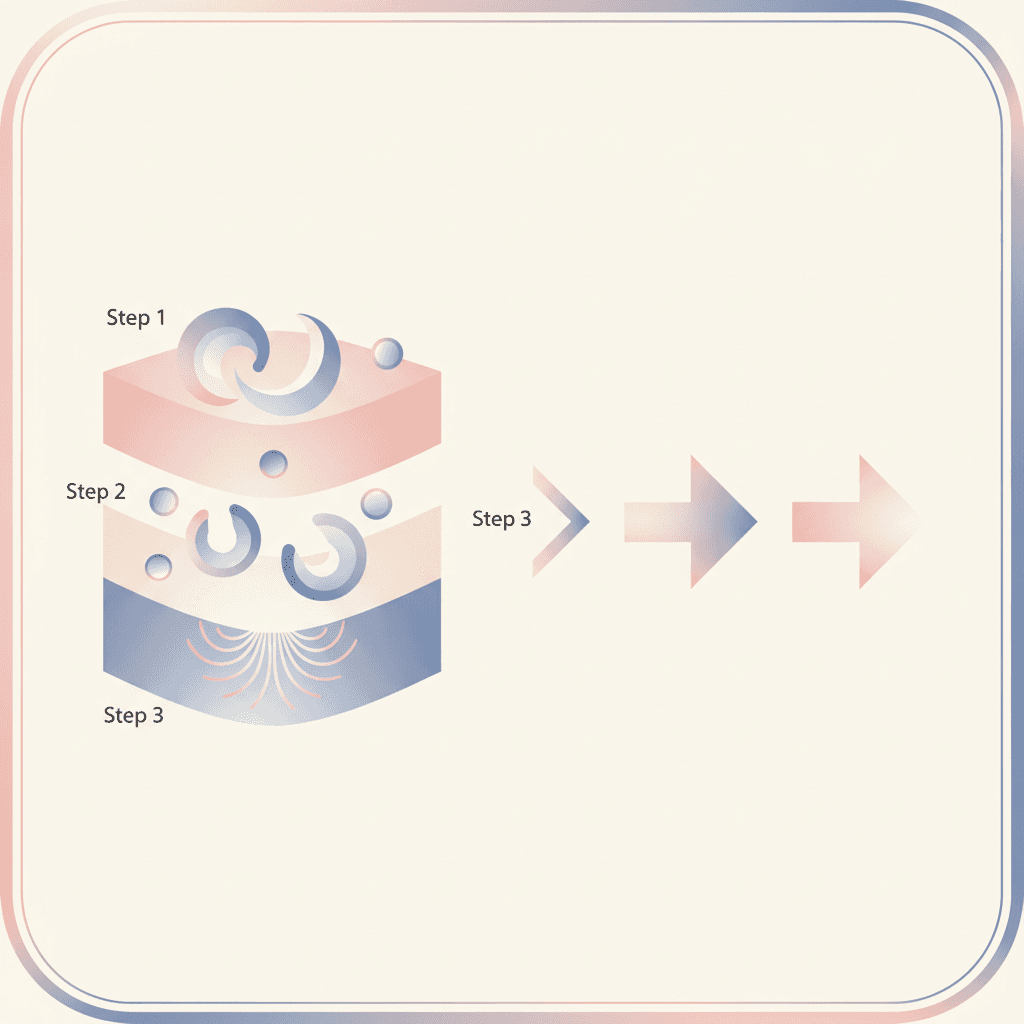
Aqua Peel is not simply a water injection; it is a mechanism in which low-molecular-weight hyaluronic acid binds to the dermal ECM to create a moisture storage structure.
 Skincare
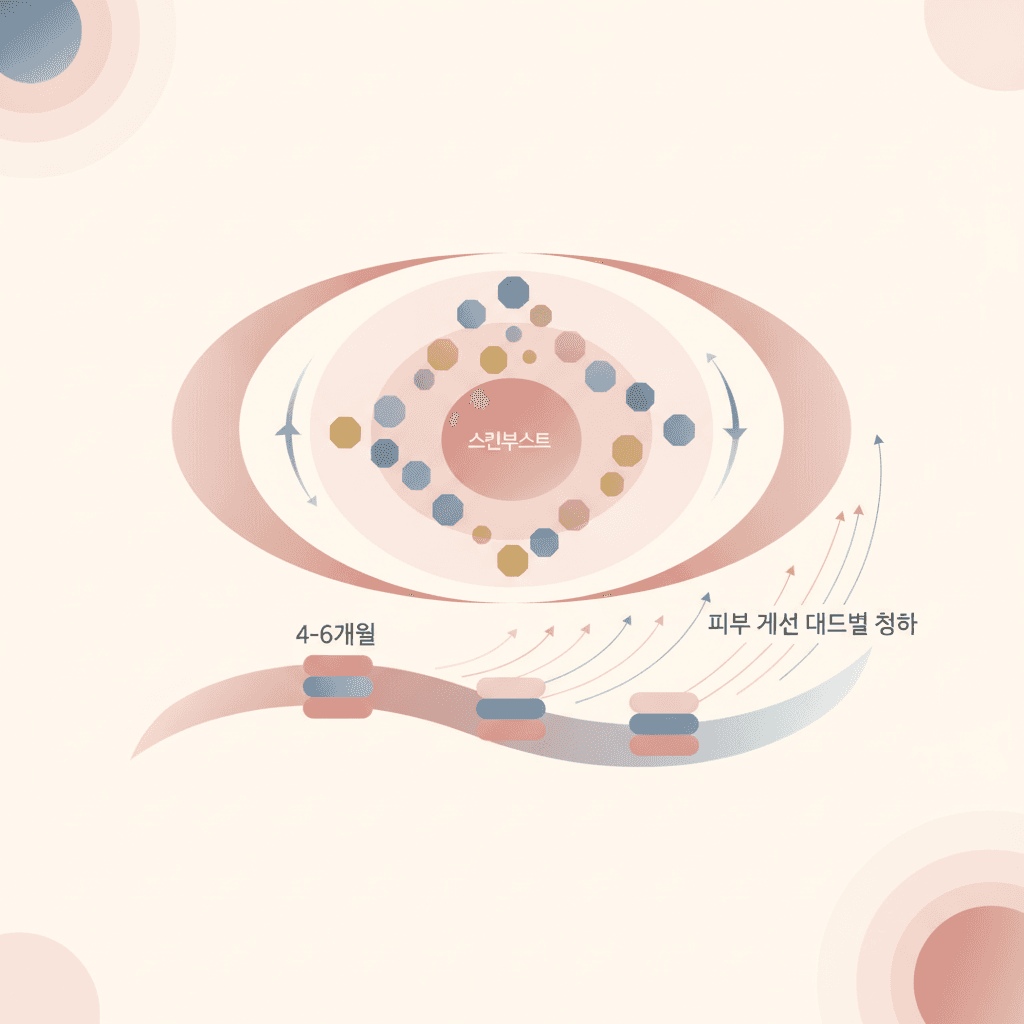
The effects of skin boosters appear 3 to 7 days after injection, rather than immediately, and the duration varies from 4 to 6 months depending on the hyaluronic acid concentration and molecular weight.
