4 Hair Loss Treatment Methods: Principles and Suitable Conditions
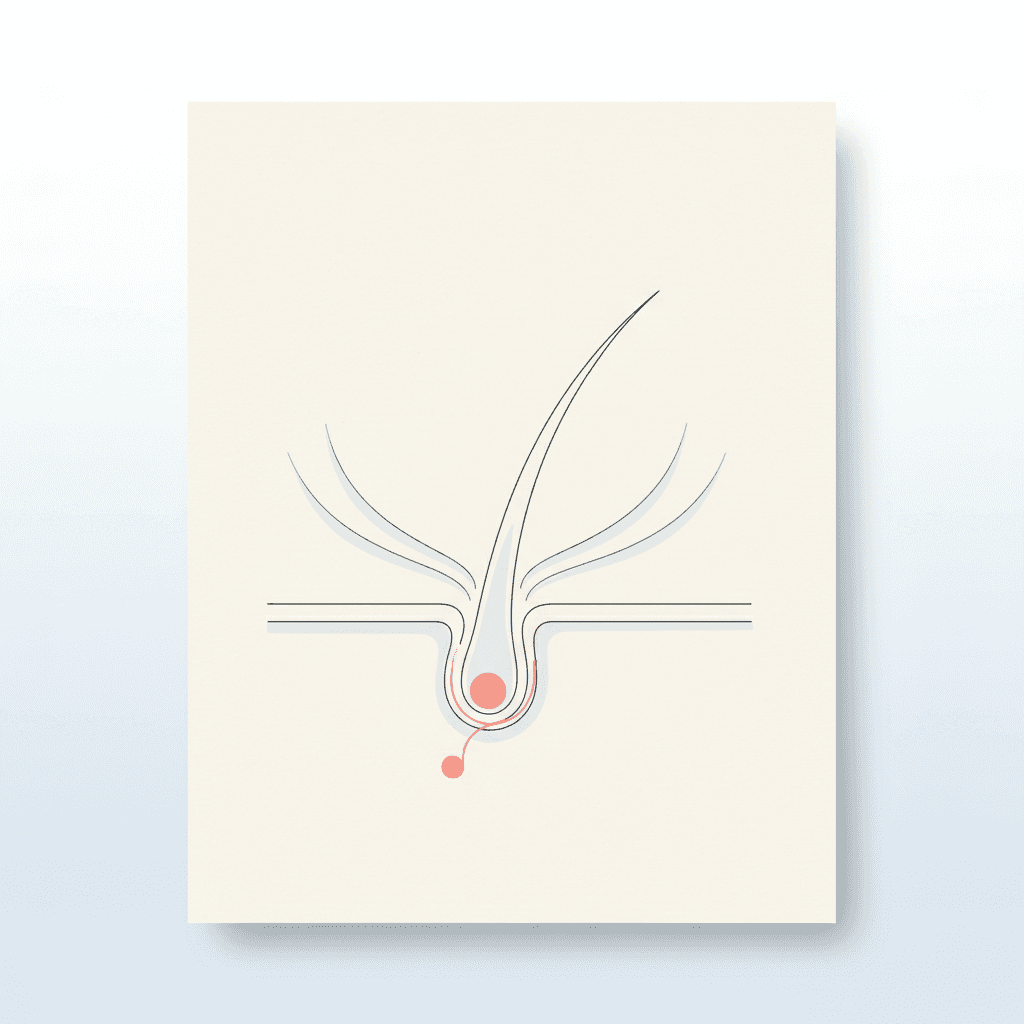
- If you thought transplantation was the only answer, there are four paths depending on the diagnosis.
- Different principles mean different suitability conditions — the speed and extent of hair loss, and the scalp condition determine the method.
- Medication and transplantation are not mutually exclusive choices but subjects for combined consideration.
- Hair transplant graft survival rate range varies by individual: 70-95%
- Minimum 6 months to assess response to medication treatment
- FUT/FUE recovery period difference: 1-2 weeks
Why Hair Loss Treatments Are Divided into Four Categories
If you thought hair loss could only be solved with a hair transplant, you're only half right. When diagnosing, dermatologists and hair specialists first assess the speed and extent of hair loss progression.
If you undergo a transplant without addressing ongoing hair loss, the areas around the transplanted sites will continue to thin, eventually requiring additional procedures.
There are broadly four types of treatments: Follicular Unit Transplantation (FUT), Follicular Unit Extraction (FUE), medication requiring a specialist's prescription, and scalp care.
The choice of method depends on the condition of the hair follicles, the stage of progression, and the presence of underlying health conditions.
FUT vs. FUE: Different Principles from the Start
FUT involves excising a strip of scalp from the back of the head to harvest hair follicles, while FUE extracts individual follicles using a punch tool.
FUT can yield a large number of follicles at once (3,000-4,000 grafts), making it advantageous for covering wide areas, but it leaves a linear scar on the back of the head.
FUE results in scattered, dot-like scars that are less noticeable even with short hair, but the extraction area is wider and takes longer than FUT.
The recovery period is about 2 weeks for FUT and 1 week for FUE. However, regardless of the chosen method, if hair loss is ongoing, combining it with medication is considered first.
OX Quiz
Medication is not necessary after a hair transplant.
Check the answer
X A transplant only fills the transplanted area and does not prevent hair loss in untreated areas. For progressive hair loss, combining with medication before and after transplantation is considered.
Medication Treatment: The First Choice to Slow Hair Loss Progression
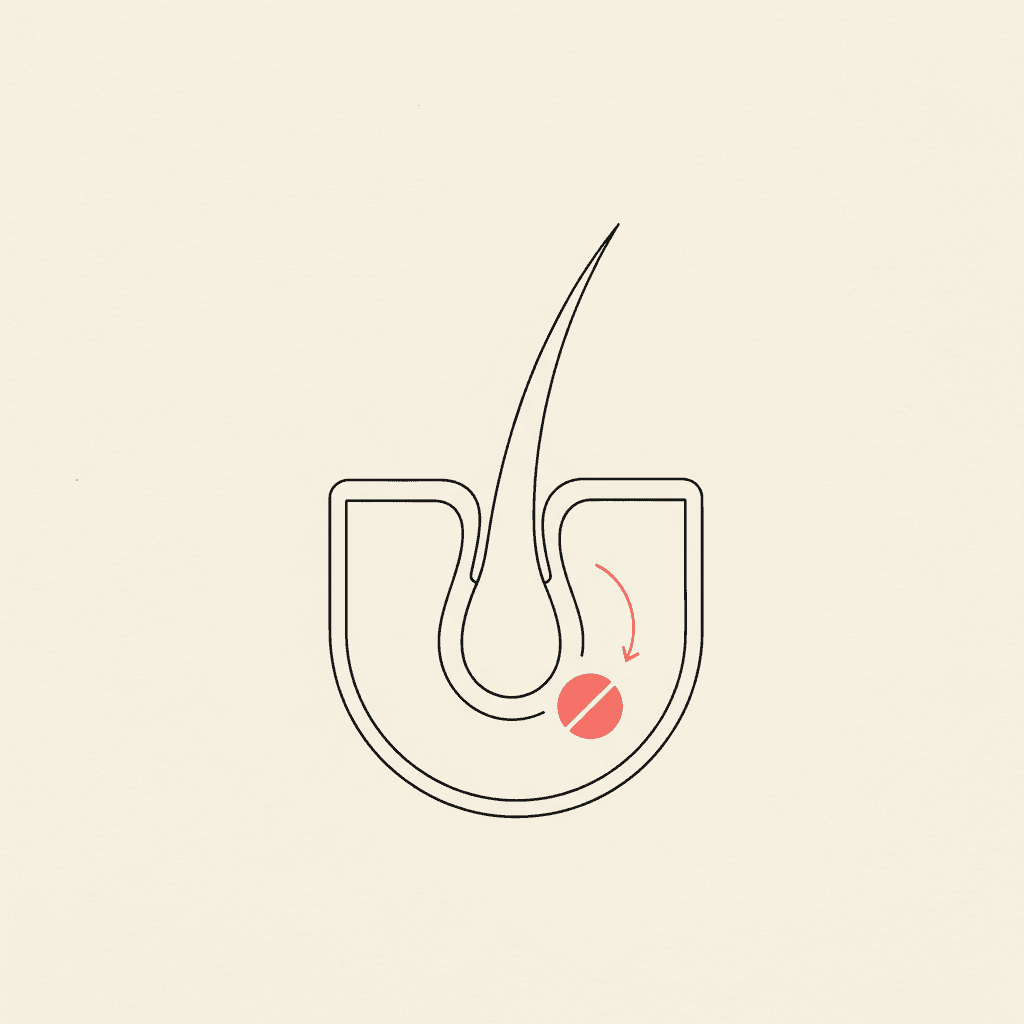
Medication, which requires a specialist's prescription, slows down follicle miniaturization or improves blood flow to control the rate of hair loss.
Response is assessed after a minimum of 6 months of use, and hair loss will resume if medication is discontinued.
The Korean Dermatological Association's guidelines (2020) recommend medication as the primary treatment for progressive hair loss.
Unlike transplants, medication can manage hair loss in areas that haven't been transplanted, so it's often used in conjunction with transplants, both before and after.
However, if side effects such as scalp itching or changes in sexual function occur during treatment, consult your prescribing physician immediately.
Caution Medication for hair loss is a prescription drug, not an over-the-counter one. Purchasing online or sharing medication with others significantly increases the risk of side effects.
Scalp Care and Selection Criteria: Check Only These Three Things
Scalp care aims to remove dead skin cells and sebum, and improve blood circulation; it cannot directly stop hair loss progression.
It is considered as an adjunct to medication and transplantation and is limited to early-stage hair loss or prevention when used alone.
When deciding which method to choose, specialists consider three factors:
The speed of hair loss progression (medication is prioritized for rapid loss), the extent of hair loss (FUT is considered for widespread loss), and scalp elasticity and the presence of underlying conditions (e.g., diabetes, blood pressure control).
These criteria may change based on diagnostic test results, so consultation with a dermatologist or hair specialist is necessary.
- Combining with medication makes a difference in long-term results
- Scalp condition diagnosis is the starting point for choosing a treatment method
Comparison of Four Hair Loss Treatment Methods
Follicular Unit Transplantation (FUT) [Wide Areas]
- Harvesting: Strip excision of scalp
- Recovery: Approx. 2 weeks
- Scar: Linear
- Suitable for: Extensive hair loss, need for many grafts
Can harvest 3,000-4,000 grafts at once
Follicular Unit Extraction (FUE) [Minimal Scarring]
- Harvesting: Individual follicle punch extraction
- Recovery: Approx. 1 week
- Scar: Scattered dots
- Suitable for: Preference for short hair, localized hair loss
Longer extraction time but no linear scar
Medication Treatment [Progression Control]
- Action: Inhibits follicle miniaturization, improves blood flow
- Response assessment: Minimum 6 months
- Continuity: Resumes if medication is stopped
- Suitable for: Primary recommendation for progressive hair loss
Specialist prescription required, consider combining before/after transplant
Scalp Care [Adjunct Therapy]
- Purpose: Dead skin cell and sebum removal, blood flow improvement
- Effect: Cannot directly inhibit hair loss progression
- Suitable for: Early stage, prevention, or adjunct therapy
- Frequency: 1-2 times per week recommended
Considered as an adjunct to medication/transplant rather than standalone
Finding the Right Method for My Condition
If hair loss is ongoing and widespread
Slow down progression with medication, then consider FUT transplantation.
If you have localized hair loss and prefer short hair
Prioritize FUE transplantation, and decide on medication combination after diagnosis.
What to Absolutely Avoid Before Hair Loss Treatment
- !!Deciding on a treatment method without diagnosing scalp condition and hair loss progression speed!! — If you only get a transplant for ongoing hair loss, surrounding hair will continue to fall out.
- !!Purchasing prescription medication online or sharing with acquaintances!! — Using without confirming dosage and contraindications greatly increases the risk of side effects.
- !!Arbitrarily deciding to stop medication after transplantation!! — The timing of discontinuation should be discussed with a specialist after re-evaluating hair loss progression.
Frequently Asked Questions
Is there a difference in graft survival rates between FUT and FUE?
Although the principles differ, graft survival rates vary greatly among individuals, with reported ranges from 70-95%. Scalp condition and post-operative care are more significant factors than the harvesting method.
What are the side effects of medication treatment?
Scalp itching and dryness, and in some cases, changes in sexual function have been reported. If symptoms occur, contact your prescribing physician immediately to discuss potential dosage adjustments.
Can scalp care alone stop hair loss?
Scalp care aims to remove dead skin cells and improve blood circulation, but it does not directly inhibit hair loss progression. It is considered for early prevention or as an adjunct to medication and transplantation.
References
- Guideline for the Treatment of Androgenetic Alopecia — Korean Dermatological Association, 2020
- Hair Transplantation Techniques and Complications — Korean Society for Hair Research, 2019
Lumi's Note
Hair loss treatment is rarely a one-time solution. Depending on the speed and extent of progression, medication and transplantation are often considered together, with scalp care serving as a supportive measure. The combination that best suits you will be revealed by your diagnostic test results. Feel free to visit again if you have any questions about other treatments.
This content is for informational purposes only and does not substitute for medical advice. Treatment methods must be decided after diagnosis and consultation with a dermatologist or hair specialist.