InMode RF Lifting, Every 3 Months? The Real Reason It Becomes a Favorite
- The reason you'll return 3 months after your first treatment: there's a cellular-level timing.
- Collagen regeneration peaks not immediately after treatment, but at the 8-week mark.
- What determines the retreatment cycle is the speed of your skin's response to the first treatment, rather than your skin's age.
Information as of November 2026
The Science of Retreatment Cycles
- Collagen synthesis peak: 8-12 weeks
- Average retreatment interval: 3-4 months
- Median treatment duration: 6 months
The Secret to a 3-Month Cycle: The Collagen Timeline
The moment you notice your jawline has softened in the mirror, you remember your last InMode treatment.
This article breaks down the data, from the cellular timing that dictates retreatment cycles to the mechanisms that foster loyalty.
Since its FDA approval in 2019, InMode radiofrequency lifting has maintained a leading position in the domestic non-invasive lifting market (MFDS, 2023).
While the median treatment duration is 6 months, patients typically receive retreatment an average of 3-4 months after their first session. This is where the collagen synthesis cycle comes into play.
The Peak is at 8 Weeks, Then Things Diverge
When radiofrequency heats the dermis to 65-75°C, immediate contraction occurs. However, the real transformation happens afterward.
Fibroblasts reach their peak rate of producing new collagen 8-12 weeks post-treatment.
The issue is that after 12 weeks, the synthesis rate begins to decline. Those who opt for retreatment at the 3-month mark are essentially re-stimulating the skin before collagen synthesis drops off.
This timing is what creates loyal clients.
OX Quiz
InMode's effects are better 2 months after treatment than immediately after.
Check the answer
O Immediately after radiofrequency heat stimulation, only contraction occurs; new collagen synthesis peaks at a high level between 8-12 weeks. The effects are actually at their peak two months after treatment.
Two Factors Determining Retreatment Intervals
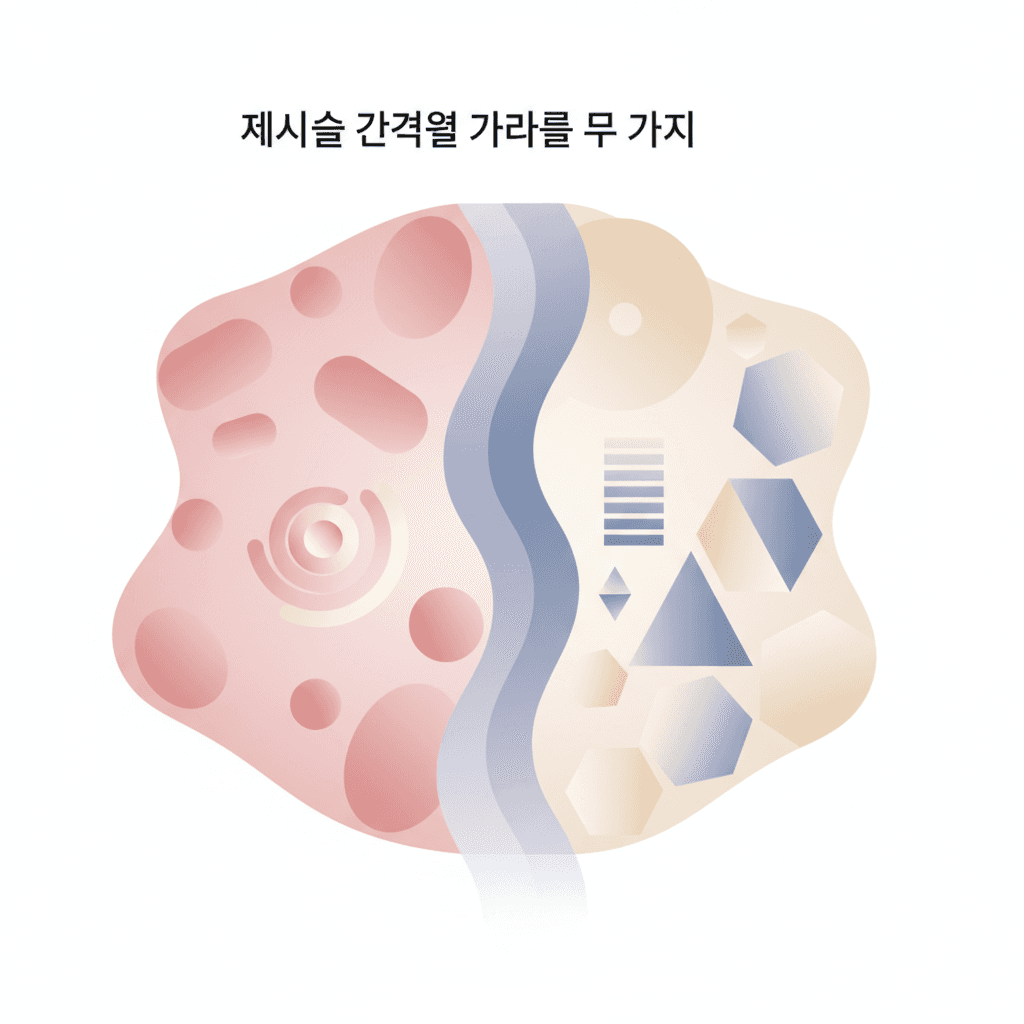
Individuals who respond quickly to their first treatment opt for a 3-month interval, while slower responders choose 4-5 months.
Response speed is more influenced by skin thickness, hydration levels, and baseline collagen density than by age (Korean Society for Dermatology, 2022).
Treatment intensity is also a variable. When the entire face was treated with moderate intensity (40W), the average retreatment interval was 3.8 months.
With high intensity (50W or more), this shortened to 2.9 months. Higher intensity doesn't necessarily mean a shorter return interval.
Clinical Insight A multi-center study in Korea (2023) found that the 3-month retreatment interval group reported 18% higher satisfaction after one year compared to the 6-month group. However, the total number of treatments was twice as high.
The Reason for Loyalty: What the Data Reveals
A retreatment rate of 73% (InMode, 2023) is not a coincidence. Re-stimulating the skin at the point when the collagen synthesis curve begins to drop leads to cumulative effects.
Missing this cycle diminishes the perceived effectiveness of the treatment.
However, a 3-month cycle isn't the right answer for everyone. The interval should be adjusted based on the speed of swelling recovery and skin thickness changes after the initial treatment.
Becoming a loyal client is not a habit, but a result of understanding cellular responses.
- Retreatment rate: 73%, Average interval: 3.8 months
- Collagen synthesis peak: 8-12 weeks, followed by a decline
Finding Your Personal Retreatment Cycle
If swelling completely resolved within 4 weeks of your first treatment
Start with a 3-month interval, but adjust based on your response to the second session
Rapid recovery signals faster collagen synthesis
If you want to maintain results while managing budget
4-5 month interval, but maintain moderate to high intensity
Must-Check Before Retreatment
- **If bruising or nodules remain from the previous treatment, postpone for at least 6 weeks** — Reheating before tissue recovery is complete can increase the risk of fibrosis.
- **During pregnancy and breastfeeding, hormonal changes can make collagen synthesis rates irregular**; therefore, extending the retreatment interval or pausing treatment is recommended.
- **Repeated treatments on the same area within 2 months can cause cumulative thermal damage**, leading to hyperpigmentation or atrophy.
Frequently Asked Questions
Receiving treatment every 3 months is costly. Can I extend the interval?
A 4-5 month interval is possible, but it will reduce the perceived effectiveness and cumulative results as it's after the collagen synthesis curve has peaked and started to decline.
Is it better to increase the intensity with each retreatment for better results?
High intensity causes stronger immediate contraction but shortens the retreatment interval. Repeated moderate intensity treatments have shown higher long-term satisfaction (Korean Society for Dermatology, 2022).
Is the risk of side effects different with retreatment compared to the first treatment?
Repeated treatments on the same area increase the risk of hyperpigmentation and fibrosis due to cumulative thermal damage, so a minimum 3-month interval and alternating treatment areas are recommended.
References
- Guidelines for the Safety of Non-Invasive Lifting Procedures — Korean Society for Dermatology, 2022
- Report on the Status of Radiofrequency-Based Skin Tightening Procedures — Ministry of Food and Drug Safety, 2023
Lumi's Take
Knowing how fast collagen is produced allows your skin, not just the calendar, to tell you when your next treatment is due. It's okay to be a little late; what matters is the timing, not the frequency.
This content is for informational purposes only and does not substitute for medical advice. Always consult with a specialist before undergoing any procedure.