InMode vs. Thermage vs. Ultherapy, der wahre Unterschied nach 3 Monaten
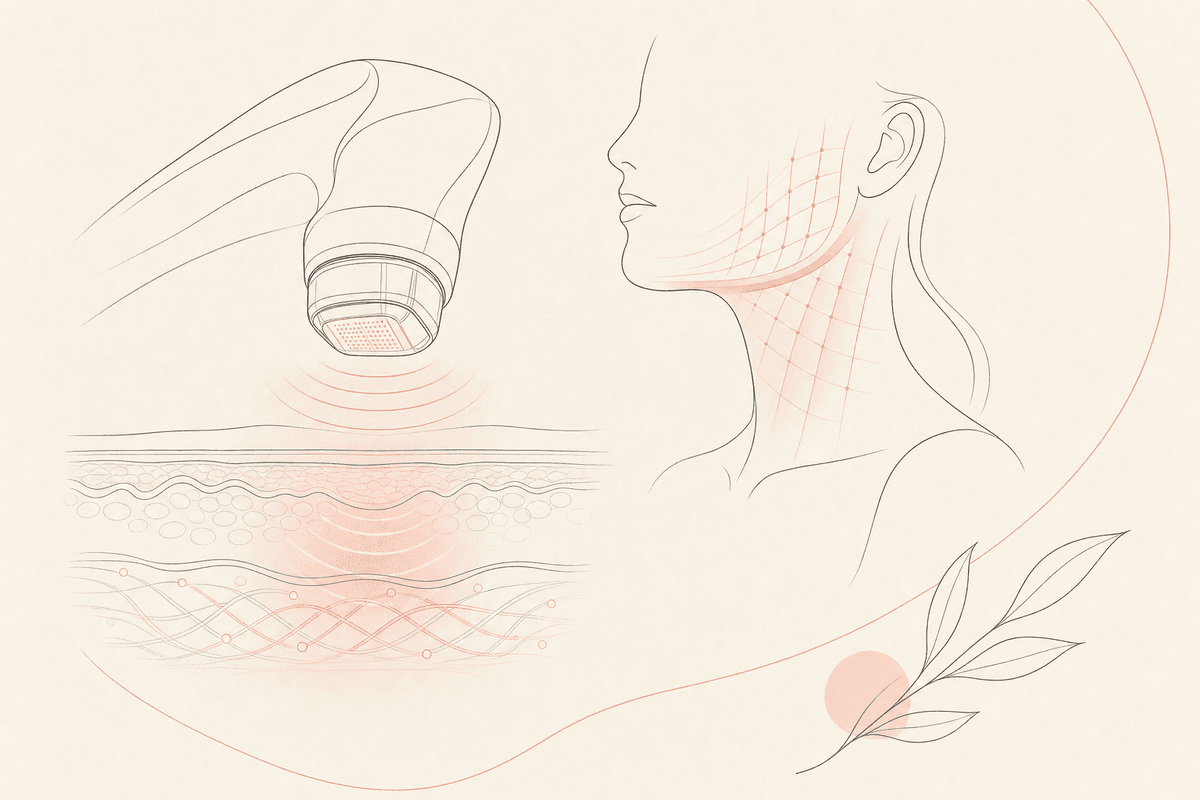
- Der Grund, warum die Zufriedenheit mit demselben 'Lifting' nach 3 Monaten unterschiedlich ist: Die Eindringtiefe der Energie ist unterschiedlich.
- InMode zielt auf Epidermis bis Dermis, Thermage auf Dermis bis subkutanes Fettgewebe, Ultherapy auf die SMAS-Schicht.
- Poren bei 20-Jährigen vs. schlaffe Haut bei 40-Jährigen: Die Auswahlkriterien ändern sich je nach Zielsetzung vollständig.
Information as of August 2026
Radiofrequency Technology is Key
- Energy penetration depth: 1.5mm - 4.5mm
- Time to feel effects: 2 weeks - 3 months
- Duration of effects: 6 - 18 months
The Crossroads of Choice in the Consultation Room
A woman in her mid-30s, a working professional, held different brochures in each hand and asked, "Both InMode and Thermage are lifting treatments, so why is the price double? Isn't the more expensive one better?" Her eyes alone showed that she had already read dozens of reviews online.
The search volume for lifting treatment comparisons increased by 340% in 2023 compared to the previous year, with 'InMode Thermage difference' being the most searched term. Although they are categorized under 'radiofrequency lifting,' the depth and method of energy delivery are completely different.
To be honest, the formula 'more expensive is always better' doesn't apply here. Managing pores in your 20s and sagging jawlines in your 40s are entirely different issues. Today, I'll break down InMode, Thermage, and Ultherapy based on their energy depth and target tissue.
Three Methods Based on Energy Depth
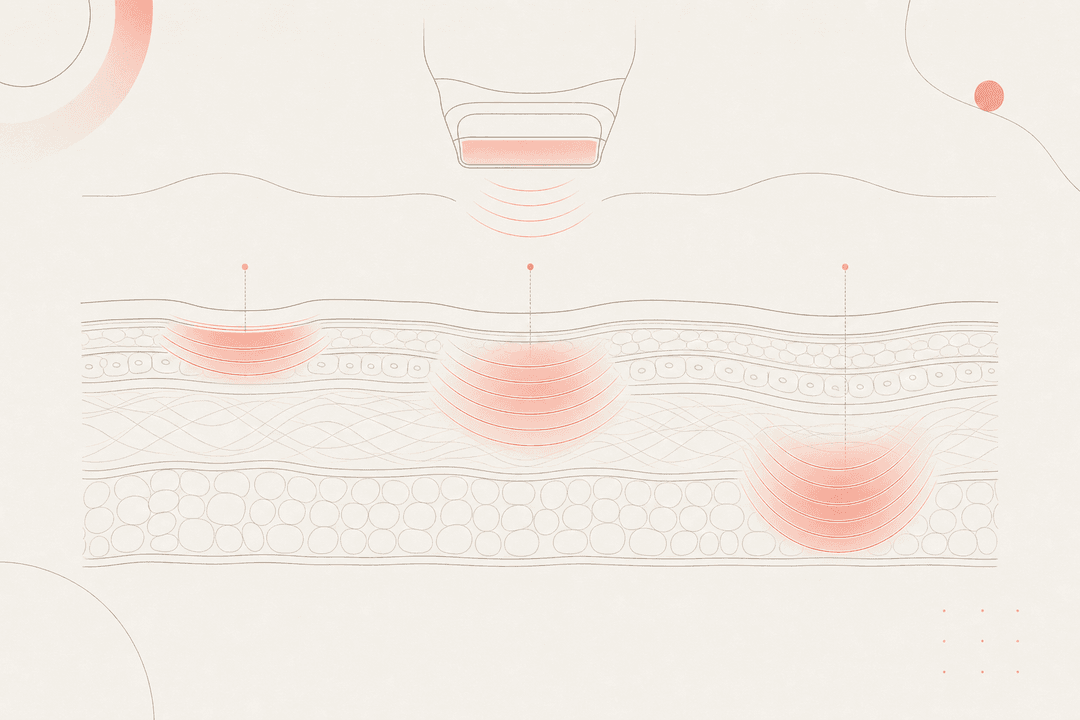
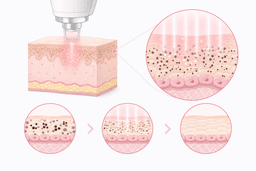
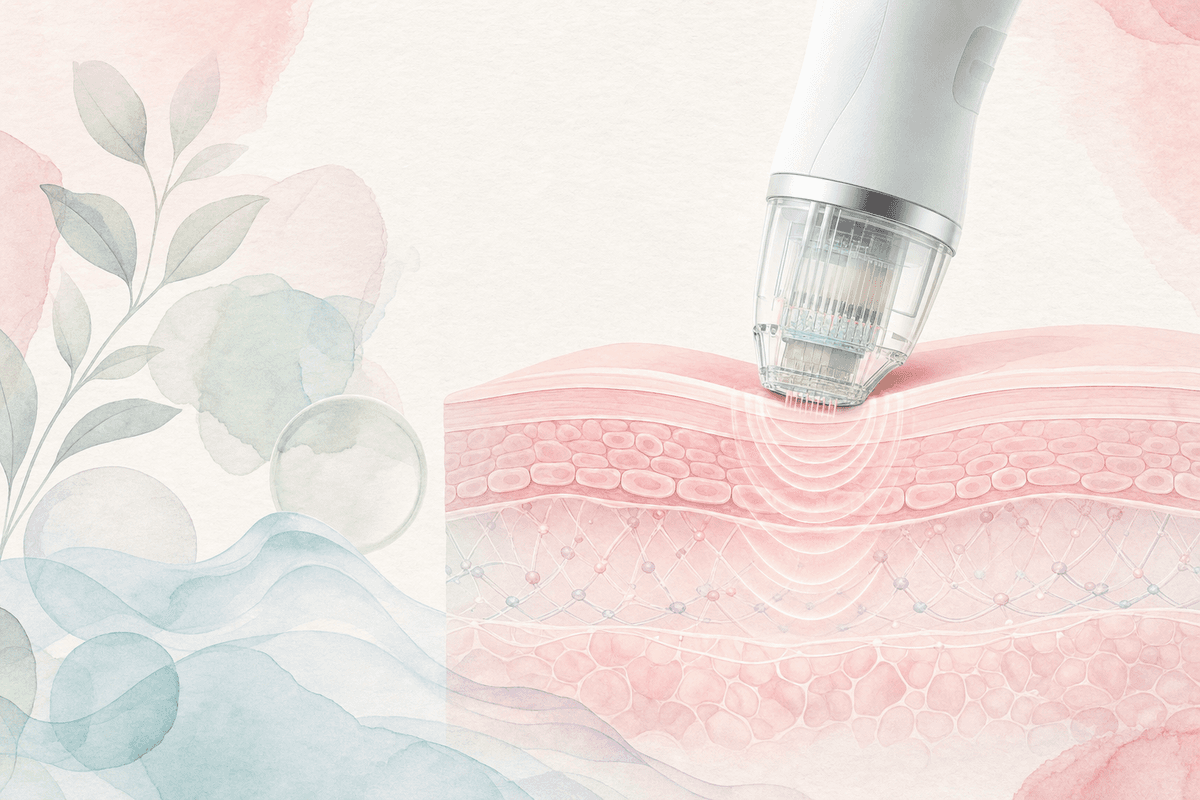
InMode (InMode FX/Forma) targets the epidermis and upper dermis at a depth of 1.5-3mm. It delivers heat directly to the dermis via needle electrodes (microneedle RF) or tightens the surface in non-invasive mode. It received FDA approval in 2019 and primarily aims to improve pores, fine wrinkles, and skin texture.
Thermage (Thermage FLX) reaches from the deep dermis to the subcutaneous fat layer at 3-4.5mm. It uses monopolar RF to deliver high heat over a wide area, inducing collagen remodeling. Evolving through four generations since its first FDA approval in 2002, it focuses on improving sagging.
Ultherapy uses ultrasound (HIFU) to reach the SMAS layer (fascia) at 1.5-4.5mm. It contracts only the fascia without affecting the skin surface, earning it the title of the deepest non-surgical lifting treatment. Approved by the FDA in 2009, its duration is reported to be 12-18 months.
Key Point The SMAS layer is a thin membrane that surrounds the muscles beneath the skin. It's the very layer that is pulled during actual facelift surgery in plastic surgery. This is why Ultherapy is called a 'non-surgical facelift.'
| Treatment | Energy Type | Target Depth | Primary Goal |
|---|---|---|---|
| InMode | Radiofrequency (RF) | 1.5-3mm | Pores, Skin Texture, Fine Wrinkles |
| Thermage | Radiofrequency (Monopolar RF) | 3-4.5mm | Dermal Sagging, Volume Improvement |
| Ultherapy | Ultrasound (HIFU) | 1.5-4.5mm | Fascia Lifting, Jawline |
True/False Quiz
Thermage and Ultherapy both use radiofrequency (RF) energy.
Check Answer
X Thermage uses radiofrequency (RF), while Ultherapy uses ultrasound (HIFU). The energy types are different, and Thermage heats a wide area, whereas Ultherapy delivers focused heat in dot patterns. Even though both are 'lifting' treatments, their operating principles are completely different.
Why Does the Time to Feel Effects Vary So Much?
With InMode, you feel improved skin elasticity immediately after the procedure because heat is delivered directly to the epidermis and superficial dermis. As collagen regeneration begins in earnest after two weeks, pore-reducing effects peak around week four.
Thermage requires some patience. Immediately after the procedure, swelling might even make your face look puffy. The real effects appear after 2-3 months as collagen rearranges. This is why the patient satisfaction survey timing was 'after 3 months' in a 2022 report by the Korean Dermatological Association.
Ultherapy falls somewhere in between. As the fascia contracts immediately, you feel your jawline lift within the same day to a week, but the final results are only solidified after 2-3 months when collagen neogenesis is complete. However, the pain is the most intense of the three — it's often difficult to tolerate with just numbing cream, so sedation is frequently used.
- InMode: Immediate elasticity + 4-week pore peak
- Thermage: High satisfaction after 3 months of collagen rearrangement
- Ultherapy: Jawline lift in 1 week + final fixation in 3 months, most painful
Cost and Duration: A Realistic Calculation
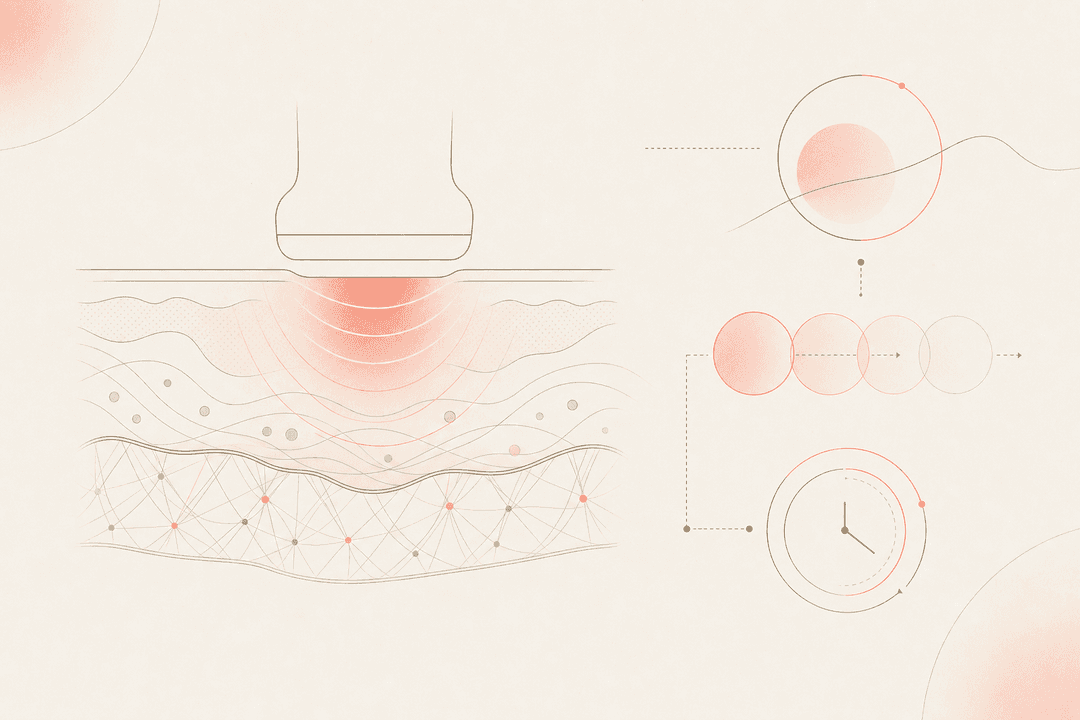
InMode costs 300,000 - 800,000 KRW per session, and typically 3-4 sessions are recommended at 1-2 month intervals. The total cost ranges from 1.2 to 3.2 million KRW, and the effects last for 6-12 months. Targeting the superficial layers leads to faster collagen regeneration but a shorter duration of effects.
Thermage costs 1.5 to 3 million KRW per session, with one session per year generally recommended. The collagen rearrangement is so powerful that one treatment lasts for 12-18 months. However, covering the entire face at once can require 900-1200 shots, making the cost substantial.
Ultherapy costs 2 to 4 million KRW per session, with a duration of 12-18 months, similar to Thermage. Since it affects the fascia, once contracted, it stays that way for a long time. However, some people are reluctant to repeat the procedure due to the pain, so it's often done every 1.5-2 years in practice.
Tip Many places price Thermage and Ultherapy 'per shot.' For the entire face, 900 shots for Thermage and 300-600 lines for Ultherapy are the typical ranges. Be sure to confirm the total number of shots when getting a quote.
| Treatment | Cost per Session | Recommended Sessions | Duration of Effects |
|---|---|---|---|
| InMode | 300,000 - 800,000 KRW | 3-4 sessions (Total 1.2-3.2 million KRW) | 6-12 months |
| Thermage | 1.5-3 million KRW | 1 session/year | 12-18 months |
| Ultherapy | 2-4 million KRW | 1 session | 12-18 months |
Costs may vary depending on the area, number of shots, and medical institution.
20s vs. 40s: Completely Different Selection Criteria
In the late 20s to early 30s, there's usually no fascial sagging yet. Concerns typically revolve around enlarged pores, oiliness, and skin texture. In this case, InMode is a perfect match for the target. Its purpose is to stimulate the upper dermis to tighten pores and smooth skin texture.
In the mid to late 30s to 40s, the situation changes. When sagging cheeks and nasolabial folds begin to appear, collagen loss in the deep dermis is the cause. From this point on, Thermage becomes effective, as it delivers high heat over a wide area to tighten the entire dermis.
For those over 40s with a blurred jawline, it's time to consider Ultherapy. It's not enough to just lift the skin; the fascia must be lifted first to restore the jawline. However, you need to consider the pain tolerance and cost. If pain is a concern, compromising with Thermage is a realistic option.
- 20s: Pores, Skin Texture → InMode
- Mid-to-late 30s: Sagging Cheeks, Elasticity → Thermage
- 40s and above: Jawline, Fascia → Ultherapy (Pain tolerance essential)
Key Takeaway: Depth Determines the Goal
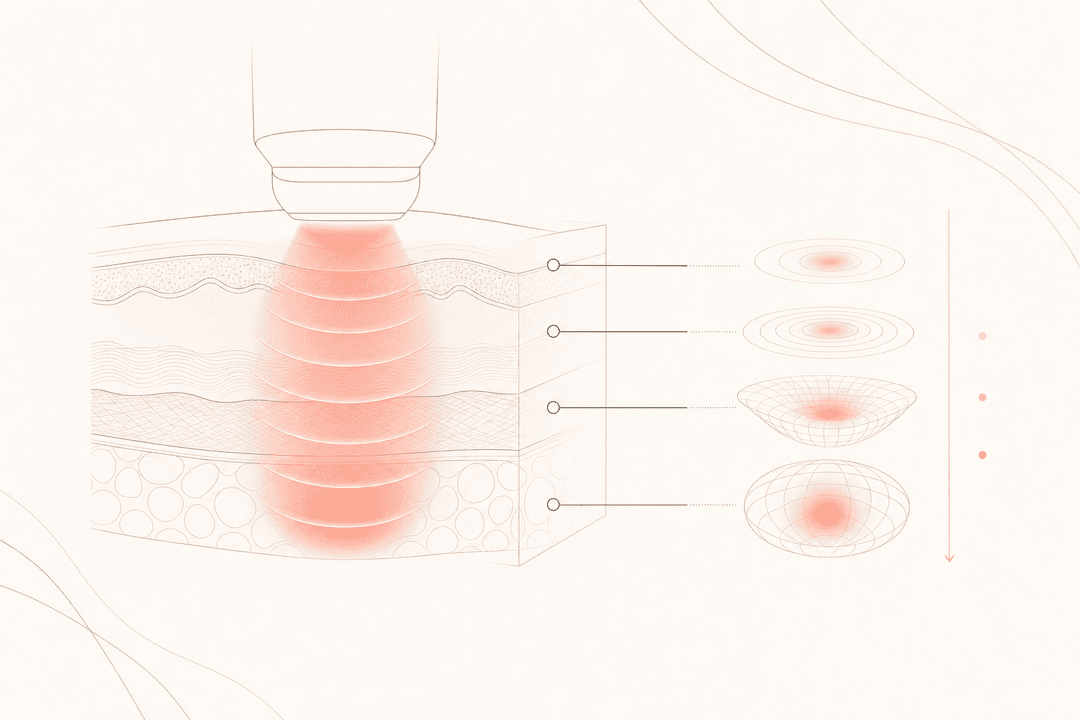
The commonality among these three treatments is 'collagen regeneration.' However, the problems that are improved vary completely depending on the depth targeted. InMode is for surface refinement, Thermage for mid-layer volume, and Ultherapy for deep-layer lifting.
There's something not mentioned in advertisements. Ultherapy isn't necessarily the best just because it's the deepest and most expensive. Using Ultherapy for pore concerns in your 20s is like using a cannon to catch a sparrow. You need to first identify your skin's age and the depth of your concerns.
- Energy Depth = Target Tissue = Problem to Improve — Choose in this order
- Compare costs not per session, but 'per duration of effect'
- Decide beforehand on pain tolerance to narrow down treatment options
- Ultherapy for 20s pores is an excessive choice — match age and concerns first
Treatment Comparison at a Glance
InMode [Epidermis ~ Upper Dermis]
- Energy: Microneedle RF
- Depth: 1.5-3mm
- Onset of Effects: Immediate ~ 4 weeks
- Duration: 6-12 months
- Pain: Low
- Cost: 300,000-800,000 KRW/session (3-4 sessions)
Optimal for improving pores, skin texture, and fine wrinkles
Thermage [Dermis ~ Subcutaneous Fat]
- Energy: Monopolar Radiofrequency (RF)
- Depth: 3-4.5mm
- Onset of Effects: 2-3 months
- Duration: 12-18 months
- Pain: Moderate
- Cost: 1.5-3 million KRW/session
Sagging cheeks, collagen rearrangement throughout the dermis
Ultherapy [Fascia (SMAS) Layer]
- Energy: Ultrasound (HIFU)
- Depth: 1.5-4.5mm
- Onset of Effects: 1 week ~ 3 months
- Duration: 12-18 months
- Pain: High (Often combined with sedation)
- Cost: 2-4 million KRW/session
Jawline, fascia lifting, the strongest non-surgical option
Selection Guide for My Situation
Late 20s - Early 30s, primary concerns are pores + skin texture
InMode 3-4 session course
If there's no sagging yet, targeting the epidermis to upper dermis is efficient and less costly.
Mid-to-late 30s, cheeks starting to sag
Thermage 1 session
A time when deep dermal collagen rearrangement is needed — covers a wide area at once.
40s and above, jawline is blurred and neck wrinkles are a concern
Ultherapy (If pain is a major concern, compromise with Thermage)
The jawline is restored by lifting from the fascia — but pain tolerance is essential.
Want to see lifting effects with a budget under 1 million KRW
InMode FX 3 sessions + combination with at-home radiofrequency device
For the cost of one Thermage session, multiple InMode treatments + maintenance are possible.
Common Misconceptions
Misconception Ultherapy is the most expensive, so it's the most effective.
Truth The depths are different; for pore concerns in your 20s, InMode has a higher hit rate. The cost = effectiveness formula doesn't apply to lifting treatments.
Misconception One Thermage treatment lasts for 10 years.
Truth Clinical data shows the duration of effects is 12-18 months. Collagen continues to age, so retreatment every 2-3 years is realistic.
What to Check Before Treatment
- Genuine device certification (serial numbers can be verified for InMode, Thermage, and Ultherapy) — beware of low-cost counterfeit devices
- Ultherapy is painful, making it difficult to drive or return to work the same day — keep your schedule clear the next day
- Thermage may cause temporary puffiness for 2-3 days after treatment — avoid important appointments within a week
- Not suitable for pregnant or breastfeeding women, those with keloid tendencies, or facial implants (silicone, etc.)
- Avoid alcohol, saunas, and strenuous exercise on the day of treatment — increased blood circulation can worsen swelling and bruising
Frequently Asked Questions
Which is the least painful among InMode, Thermage, and Ultherapy?
InMode is the least painful. Numbing cream is sufficient, and it feels like a slight prick. Thermage is moderately painful (a hot sensation), while Ultherapy causes strong pain, like needles being pricked, often requiring sedation.
Will combining all three treatments yield better results?
Simultaneous treatment is not recommended. The heat energy delivered to the skin can become excessive, increasing the risk of burns and pigmentation. If necessary, sequential treatments at 2-3 month intervals are safer.
Which treatment lasts the longest?
Thermage and Ultherapy have similar long durations of 12-18 months. InMode is shorter at 6-12 months, but it allows for cost distribution by receiving multiple sessions.
Can I go to work the day after the treatment?
InMode and Thermage are generally fine (though there may be slight swelling that can be covered with makeup). Ultherapy can cause significant swelling and pain on the day of treatment, making it realistic to take the next day off.
What are the side effects?
Common side effects include temporary swelling, redness, and stinging that last for 2-3 days. Rarely, burns, pigmentation, and asymmetry have been reported. Ultherapy has had rare cases of temporary facial paralysis due to nerve damage (less than 0.5%). Choosing genuine devices and experienced practitioners reduces risks.
Can men also receive these treatments?
Of course. The proportion of men receiving lifting treatments has been increasing recently. Ultherapy is particularly popular among men in their 30s and 40s for jawline improvement, and InMode is also commonly chosen for skin texture management.
Lumi's Take
Even for the same 'lifting' treatment, the problems solved differ depending on the depth of energy delivery. An expensive treatment isn't always the answer; it's more important to first identify your skin's age and the depth of your concerns. I hope the time spent looking in the mirror and worrying can be reduced now!
This content is for informational purposes only and does not substitute medical advice. Always consult with a specialist before undergoing any procedure.