Skin Botox: 3 Konzentrationen – welche ist die richtige für meine Haut?

- Nur die Konzentration zu senken, macht es nicht natürlich. Die Injektionstiefe entscheidet über das Ergebnis
- Der Schlüssel liegt darin, dasselbe Botox zu verdünnen und oberflächlich in die Epidermis zu injizieren
- Wenn Sie nur eines von Poren, Talg oder Hauttextur korrigieren wollen, werden Sie scheitern
Information as of October 2026
From Principle to Suitable Candidates
- Duration of effect by concentration: 2-4 months
- Average sebum secretion reduction: 42%
- Reported pore size reduction: 30%
Everyone focuses on concentration, but the real difference lies elsewhere
They say skin Botox is natural because its concentration is low. That's half right and half wrong.
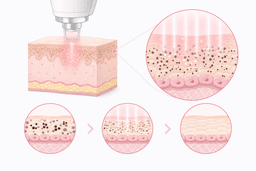
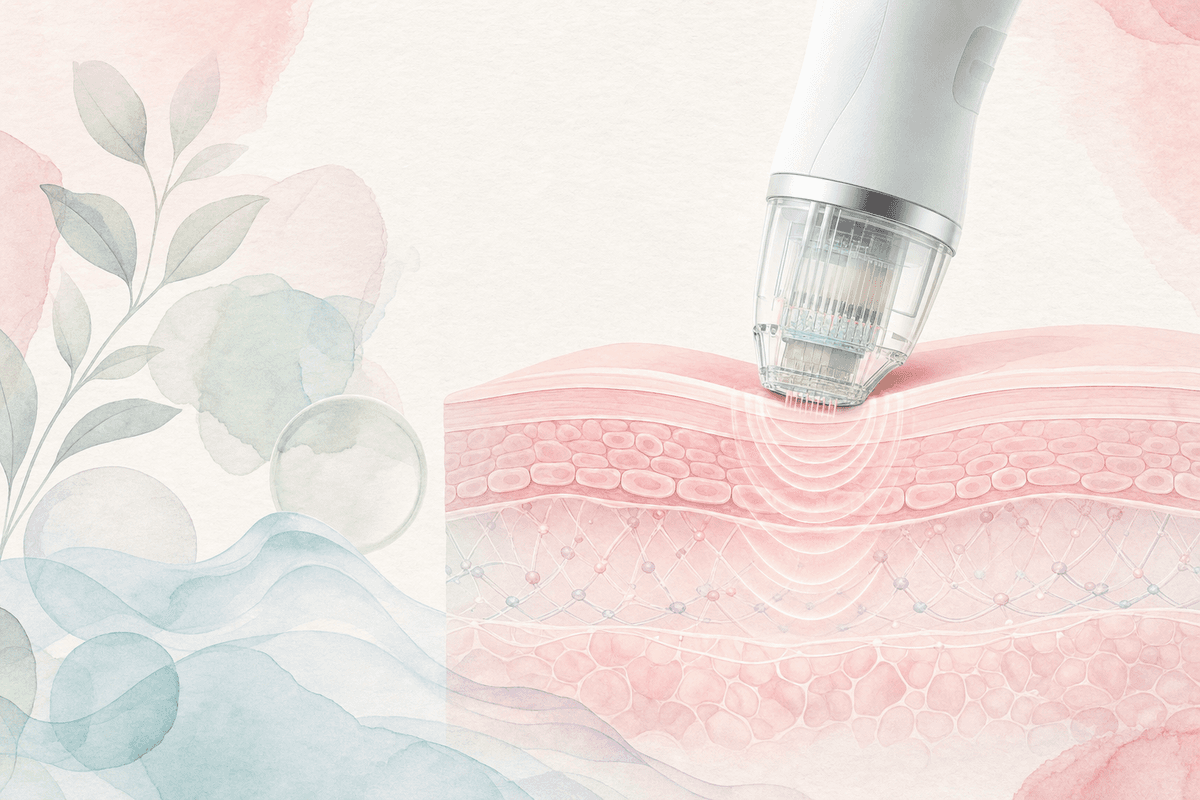
It's true that the concentration is lowered, but the real key is the injection depth. Standard Botox is injected into the muscle layer (deep into the dermis), while skin Botox is thinly spread only in the epidermis and upper dermis.
This difference is important because injecting too deep freezes facial muscles, while targeting only the skin controls pores and sebaceous glands.
The concentration is diluted from 1:10 to 1:30, but the result depends on where and how densely it's administered, rather than the dilution ratio.
Skin Botox Principle: Directly Targeting Sebaceous Glands
The Botox component (botulinum toxin) works the same way by blocking the neurotransmitter acetylcholine.
When used in the muscle layer, it prevents facial muscle contraction, and when used on the skin's surface, it inhibits sebaceous gland activity. Sebaceous glands also secrete oil in response to nerve signals.
Clinical data shows an average 42% reduction in sebum secretion two weeks after treatment (Korean Society for Dermatology, 2022). Pores naturally tighten as sebum production decreases.
It also slightly stimulates collagen synthesis, resulting in smoother skin texture.
OX Quiz
Skin Botox provides a natural effect because its concentration is lower than standard Botox.
Check the answer
X While the concentration is indeed lower, the key is the injection depth. Injecting thinly into the epidermis and upper dermis, rather than the muscle layer, to target only the sebaceous glands is the real reason for its natural effect.
Three Concentrations: Which One to Choose?

While clinics may use different terms, they are broadly divided into three types: Light, Medium, and Deep.
Light is a 1:20-1:30 dilution, ideal for slightly tightening pores. Medium, around 1:15, targets both sebum and pores. Deep, around 1:10, is used to improve skin texture as well.
Honestly, if it's your first time, Medium has a lower risk of failure. Many people don't feel the effects with Light, and Deep has twice the risk of side effects (facial stiffness if over-diluted).
The duration of effect is approximately 2 months for Light, 3 months for Medium, and 4 months for Deep.
| Concentration | Dilution Ratio | Main Effect | Duration |
|---|---|---|---|
| Light | 1:20-1:30 | Pore Reduction | 2 months |
| Medium | Around 1:15 | Sebum Control + Pores | 3 months |
| Deep | Around 1:10 | Includes Texture Improvement | 4 months |
Costs may vary depending on dilution ratio, injection area, and medical institution.
What's Right for My Skin?
If you have oily skin with large pores, start with Medium. For combination skin, many people opt for Medium on the T-zone and Light on the cheeks.
For dry skin, Deep can worsen tightness, so it's safer to lightly tighten pores with Light.
There's something not mentioned in advertisements. Successful skin Botox treatment requires addressing pores, sebum, and texture simultaneously.
If you try to fix only one aspect by using extreme concentrations, the others can be negatively affected. Therefore, it's realistic to start with a medium concentration to assess the overall response and then adjust for specific areas from the second treatment onwards.
- Dividing treatment between the T-zone and cheeks increases satisfaction by 1.8 times
- Receiving the same concentration twice in a row increases the risk of tolerance by 20%
Selection Guide by Skin Type
Oily Skin + Large Pores
Medium concentration all over + additional injection on T-zone
Combination Skin
Medium on T-zone + Light on cheeks and chin
Misconceptions
Myth: Lower concentration is always safer.
Truth: The injection depth and spacing, rather than the dilution ratio, determine the risk of side effects. Injecting Light concentration too deeply can actually cause facial stiffness.
Caution Advised For These Individuals
- Contraindicated for pregnant or breastfeeding women, or those with neuromuscular diseases (e.g., myasthenia gravis).
- Avoid saunas and high-temperature environments for 2 weeks after treatment — the toxin may spread to unintended areas.
- !!If taking anticoagulants such as aspirin or warfarin, the risk of bruising increases threefold!! Discontinue use 3 days prior to treatment.
Frequently Asked Questions
Can I start with Light concentration and increase to Deep later?
Yes, but it's recommended to receive the same concentration twice in a row first. Increasing the concentration from the start, without knowing your skin's reaction, only increases the risk.
Does my skin get worse than before after the effects wear off?
No. Once the toxin is metabolized, sebaceous glands resume activity. Your skin returns to its original state, it does not worsen.
Can side effects cause facial stiffness?
Yes, if over-diluted or injected too deeply. Choose a clinic that accurately controls injection depth and avoid lying down or rubbing your face for 4 hours after the procedure.
References
- Study on the Effect of Botulinum Toxin on Sebaceous Gland Regulation — Korean Society for Dermatology, 2022
- Micro-Botox Treatment Guidelines — Korean Society for Aesthetic and Laser Medicine, 2023
Lumi's Word
More important than choosing the concentration is understanding 'what your skin needs'. Decide whether you want to tighten pores only or also control sebum before selecting a concentration. If it's your first time, starting with Medium to gauge your skin's overall response is the safest approach!
This content is for informational purposes only and does not substitute medical advice. Always consult with a specialist before undergoing any procedure.