Kulak estetiği iyileşme süreci: Sonucu belirleyen ilk 2 haftanın gerçeği
- Şişliğin indiği zaman ile sonucun tatmin edici olduğu zaman arasında ortalama 4 haftalık bir fark vardır.
- İlk 72 saatlik bakım, nihai yara izinin kalınlığını belirler.
- Kişisel kıkırdak özellikleri, ameliyat tekniğinden daha fazla iyileşme hızını etkiler.
Ağustos 2026 itibarıyla bilgi
Beklenti ve Gerçeklik Arasında
- İyileşme süresi 2-6 hafta
- Şişlik en fazla 1 hafta
- Kişisel farklılıklar %30'dan fazla
Ameliyat Günü, Beklentiyle Karşılaşan İlk Gerçek
Kulak estetiği yaptıran 10 hastadan 7'si ameliyat sonrası aynaya baktığında şaşırır. Çünkü kulaklar beklenenden çok daha şişmiş görünür ve başa sarılan bandaj nedeniyle tüm yüz daha şişmiş gibi durur. 'Bu gerçekten benim kulağım mı?' diye düşündüğünüz an ilk gece yaşanır.
Kulak estetiği, çıkık kulak düzeltme, kulak memesini küçültme, kulak şeklini yeniden yapılandırma gibi birçok işlemi kapsar. En yaygın olan çıkık kulak düzeltme (Otoplasti), kulak arkasındaki deriyi keserek kıkırdağı yeniden konumlandırma ve dikme yöntemidir. Kesik bölgesi yaklaşık 2-4 cm olsa da, kıkırdağın kendisini katlama veya çıkarma işlemi nedeniyle doku tepkisi beklenenden büyüktür.
Ameliyat sonrası ilk 48-72 saat bandaj takılır. Bu dönemdeki şişlik, ameliyatın kapsamından çok kişinin iltihaplanma tepkisinin derecesine bağlıdır. Aynı işlemi yaptıranlardan bazıları 3. gün bandajı çıkardığında hemen işe dönebilecek durumdayken, bazılarında bir hafta sonra bile morluklar kalır.
- Kompresyon bandajı kullanım süresi: 48-72 saat
- Ortalama hastanede kalış süresi: Aynı gün taburcu veya 1 gece 2 gün
- İlk duş ne zaman alınabilir: Dikiş bölgesi hariç 3. günden itibaren
İlk Hafta, Ağrıdan Çok Rahatsızlığın Ön Planda Olduğu Dönem
Kulak estetiği sonrası ağrı beklenenden daha şiddetli değildir. Sadece ameliyat günü ve ertesi gün ağrı kesiciye ihtiyaç duyulur, çoğu kişi 3. günden sonra ilaçsız da dayanabilir. Sorun rahatsızlıktır.
Kompresyon bandajı çıkarıldıktan sonra en az 1 hafta, tercihen 2 hafta saç bandı şeklinde bir koruyucu takılır. Bu, uyku sırasında kulağın katlanmasını veya baskı görmesini önlemek içindir. Yan yatma alışkanlığınız varsa bu dönem oldukça zor geçer. Yastığa kulağınızın sürtünmesi bile sızlayıcı bir his verir.
Şişlik 3-5. günde zirveye ulaşır ve 1 hafta sonra inmeye başlar. Morluklar genellikle kulak arkasındaki kesik bölgesi etrafında oluşur, sarıya dönerek boyna doğru inebilir. Bu dönemde aynaya baktığınızda 'Bu ameliyatı neden yaptım?' diye düşünebilirsiniz. Ancak bu normal bir süreçtir.
Dikkat İlk hafta kulakla doğrudan temas eden gözlük camları, kulaklıklar ve maske iplerinden kaçının. Dikiş bölgesine baskı uygulanması, dikişlerin gerilmesine ve yara izinin genişlemesine neden olabilir.
OX Yarışması
Kulak estetiği sonrası şişliğin indiği zaman ile nihai sonucun görüldüğü zaman aynı mıdır?
Cevabı Gör
X Şişlikler genellikle 2-3 haftada iner, ancak kıkırdağın tamamen oturması ve yara izinin olgunlaşması en az 3 ay sürer. İlk şekle bakarak karar vermemek gerekir.
2-4 Hafta, Sonuçların Görülmeye Başladığı Dönüm Noktası
Dikişler ameliyattan 7-10 gün sonra alınır. Eriyen dikişlerin kullanıldığı durumlar olsa da, kulak arkası cilt gerginliği nedeniyle çoğu zaman normal dikiş ipliği kullanılır. Dikişlerin alındığı an psikolojik olarak büyük bir rahatlama yaşanır.
2. haftadan itibaren kulak şekli oturmaya başlar. Şişlik azaldıkça 'Ah, bu kadarı yeterli.' diyeceğiniz anlar gelir. Ancak bu aşamada görünen şekil nihai sonuç değildir. Kıkırdak önümüzdeki 4-6 hafta daha yerleşmeye devam edecektir. Özellikle çıkık kulak düzeltmelerinde kıkırdağın katlanıp sabitlenmesi nedeniyle, katlanan bölgenin tamamen kaynaşması zaman alır.
Bu dönemde en sık sorulan soru 'Kulağım tekrar dışarı doğru açılıyor gibi.' şeklindedir. Gerçekten de ameliyat sonrası ilk döneme göre 2-3. haftada kulak biraz daha açık görünebilir. Bu, şişliğin inmesiyle kıkırdağın doğal esnekliğini geri kazanmasından kaynaklanır. 6 hafta sonrasında da açılma devam ederse yeniden ameliyat düşünülmelidir, ancak çoğu durumda bu aralıkta stabil hale gelir.
- Dikiş alma: 7-10. gün
- Sosyal hayata dönüş zamanı: Ortalama 2 hafta
- Yoğun egzersizlere dönüş: 4 hafta sonra
Kişisel Farklılıkların En Çok Belirginleştiği Nokta
Aynı ameliyatı geçirmelerine rağmen iyileşme hızları kişiden kişiye değişir. Bu farkı yaratan üç ana faktör vardır.
Birincisi, kıkırdağın esnekliğidir. 20'li yaşlardaki kıkırdağın esnekliği güçlüdür ve eski şekline dönme eğilimi fazladır. Buna karşılık, 40 yaş sonrası kıkırdak daha az esnektir ve yeni şekline daha çabuk oturur, ancak iyileşme sürecinde sertleşme görülebilir. 10'lu yaşların sonu-20'li yaşların başındaki çıkık kulak düzeltmelerinde nüks oranının nispeten yüksek olmasının nedeni budur.
İkincisi, keloid eğilimidir. Kulak, keloid oluşumuna yatkın bir bölgedir. Kore halkında Batılılara göre keloid oluşum oranı yaklaşık 2 kat daha fazladır. Ailede keloid öyküsü varsa veya geçmişte kulak piercing yerleri kabarık bir yara izi bırakmışsa, ameliyat öncesinde mutlaka belirtilmelidir. Bu durumda dikiş yöntemi ayarlanabilir veya ameliyat sonrası silikon pedler önceden reçete edilir.
Üçüncüsü, ilk 72 saatlik bakımdır. Kompresyon bandajının doğru şekilde takılıp takılmadığı, yan yatılmadığı, kulağa su kaçırılmadığı gibi faktörler nihai yara izinin kalınlığını belirler. Muayenehanede yapılan kontrolde, ilk üç günü nasıl geçirdiğiniz yara izinden anlaşılabilir.
Klinik 2015 yılında Kore Plastik Cerrahlar Derneği'nin sunduğu verilere göre, çıkık kulak düzeltmesi sonrası nüks oranı uygulanan tekniğe göre %5-15'tir. Mustarde dikiş tekniği en düşük nüks oranını (%5 civarı) göstermiştir.
Yan Etkiler, Önceden Bilmek Müdahale Etmeyi Sağlar
Kulak estetiği yan etkileri genel olarak üçe ayrılır: enfeksiyon, asimetri ve yara izi.
Enfeksiyon nadir görülür ancak oluşursa ciddi sonuçlar doğurabilir. Kulak kıkırdağının kan dolaşımı az olduğu için bir kez iltihap oluştuğunda antibiyotikler etkili olmayabilir. Ameliyat sonrası 3-5. günlerde kulak kızarıp şişerse veya ısı artışı olursa derhal kliniğe başvurulmalıdır. Gecikme kıkırdak nekrozuna yol açabilir.
Asimetri en sık karşılaşılan memnuniyetsizliktir. İki kulak normalde boyut ve açı olarak biraz farklıdır. Ameliyat öncesi fotoğraflara bakıldığında çoğu kişide zaten bir asimetri vardır. Ameliyat bu farkı azaltmayı hedefler, tamamen aynı hale getirmeyi değil. 2 mm'ye kadar olan farklar normal kabul edilir.
Yara izi kulak arkasında kalır. İyi iyileşirse saçlar tarafından gizlenir ve neredeyse görünmez olur, ancak keloid eğilimi varsa veya dikiş bölgesi açılırsa kırmızı ve kalın bir yara izi kalabilir. Bu durumda ameliyat sonrası 6. aydan itibaren lazer tedavisi veya kortizon enjeksiyonu düşünülebilir.
| Yan Etki | Oluşum Zamanı | Müdahale |
|---|---|---|
| Enfeksiyon | 3-5. gün | Hemen antibiyotik tedavisi, şiddetliyse dikişlerin çıkarılması |
| Hematom | 1-3. gün | Baskıyı yeniden uygulama, gerekirse drenaj |
| Asimetri | 2-6 hafta | 6 ay sonra yeniden ameliyat düşünülmeli |
| Keloid | 3 ay sonra | Silikon ped, lazer, kortizon enjeksiyonu |
Pişmanlık Noktaları, Hastaların En Çok Üzüldüğü Şeyler
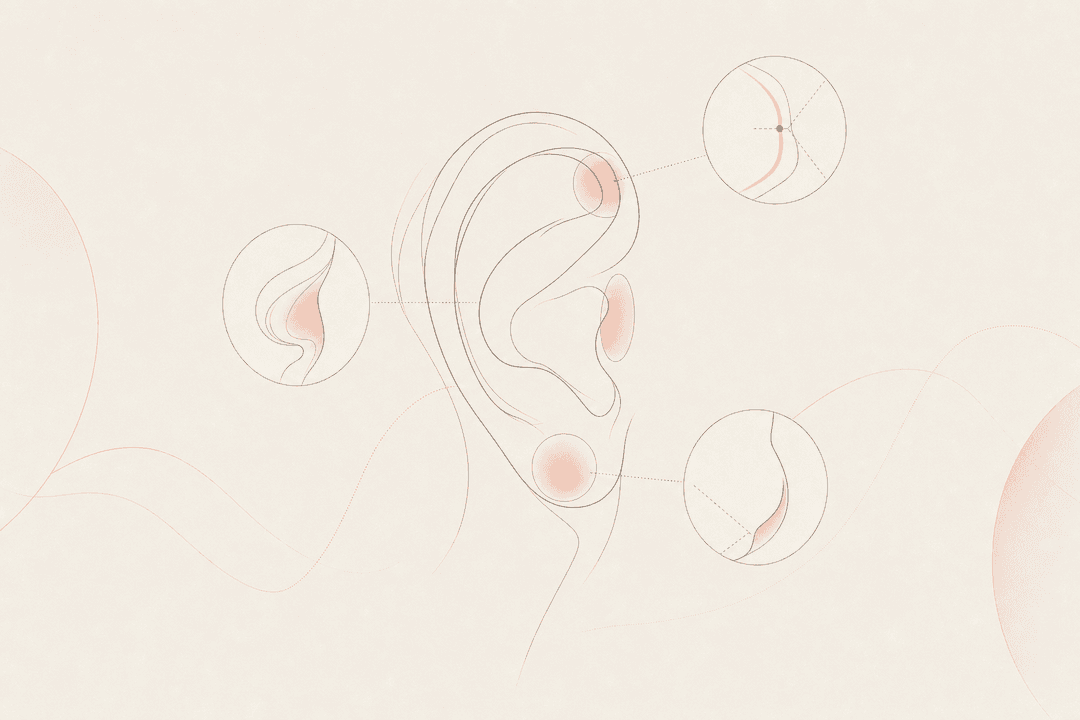
Muayenehanede karşılaştığım hastaların bazıları 'Ameliyat öncesi fotoğrafları daha dikkatli çektirmeliydim' diye pişmanlık duyuyor. Ameliyat öncesinde kulaklarının ne kadar dışarıda olduğunu net olarak fark etmiyorlar, ancak ameliyat sonrası aynaya baktıklarında 'Bu kadar mı değişti?' sorusu akıllarına geliyor. Öncesi-sonrası karşılaştırma fotoğrafları olmadan değişimi objektif olarak görmek zor.
İkincisi, iyileşme süresini kısa görmeleridir. 2 haftada tamamen günlük hayata dönebileceklerini düşünürken, bir ay geçmesine rağmen kulaklarının hala sert ve şekilsiz olması onları şaşırtıyor. Kulak estetiğinde nihai sonucu görmek için en az 3 ay, kıkırdağın tamamen oturması için 6 ay gereklidir.
Üçüncüsü, gözlük ve kulaklık kullanımının kısıtlanmasıdır. Ameliyat öncesi danışmanlıkta bu konuda net açıklamalar yapılmış olsa da, günlük hayatta gözlük takamamak ve kulaklık kullanamamak beklenenden daha rahatsız edici. Özellikle evden çalışan veya online ders alan kişiler bu durumu önceden göz önünde bulundurmalıdır.
- Nihai sonuç kontrol zamanı: 3-6 ay
- Gözlük kullanımına dönüş: 4 hafta sonra önerilir
- Kulaklık kullanımına dönüş: 2 hafta sonra mümkün, ancak uzun süreli kullanımdan kaçının
Çıkık Kulak Düzeltme Ana Tekniklerin Karşılaştırılması
Mustarde Dikiş Tekniği [Düşük Nüks]
- Kıkırdağı katlayarak dikme
- Nüks oranı yaklaşık %5
- İyileşme süresi 2-3 hafta
- Minimum yara izi
En yaygın, uzun vadeli sonuçlar stabil
Kıkırdak Çıkarma Ameliyatı [Güçlü Düzeltme]
- Kıkırdağın bir kısmını çıkarma
- Açı düzeltme aralığı geniş
- İyileşme süresi 3-4 hafta
- Yara izi biraz daha belirgin
Şiddetli çıkıklarda, yeniden ameliyat vakalarında uygundur
Furnas Dikiş Tekniği [Kesiksiz]
- Kıkırdağı mastoid kemikle dikme
- Minimum kesik
- İyileşme süresi 2 hafta
- Nüks olasılığı orta düzeyde
Hafif çıkıklarda, genç yaş gruplarında
Durumuma Göre Seçim Rehberi
20 yaş altı, öğrenciyse
Tatilin başlangıcından hemen sonra ameliyat, en az 4 hafta boş zaman ayırın
Genç kıkırdağın esnekliği güçlü olduğu için iyileşme hızlıdır ancak nüks olasılığı da vardır, bu nedenle yeterli dinlenme süresi gereklidir.
Çalışan, sadece 2 hafta izin alabiliyorsa
Dikişler alındıktan sonra işe dönme planı, saç stiliyle kulakları gizleme
2 haftada sosyal hayata dönmek mümkün olsa da morluklar kalabilir, saçları açık bırakmak veya şapka kullanmak.
Keloid eğilimi varsa, piercing yerleri kabarık ise
Ameliyat öncesi dermatoloji konsültasyonu, ameliyat sonrası silikon pedleri önceden hazırlayın
Kulak keloidin sık görüldüğü bir bölgedir, önleyici tedbirler yara izini en aza indirmenin anahtarıdır.
Asimetri endişesi varsa
Ameliyat öncesi çok açılı 5'ten fazla fotoğraf çektirin, doktorla açı konusunda anlaşın
Normalde iki kulak farklıdır, hedef açıyı sayısal olarak belirleyip kaydetmek anlaşmazlıkları önler.
Yanlış Bilinen Doğrular
Yanlış Kulak estetiği hızlı ve kolay iyileşen bir ameliyattır
Doğru Kesik bölgesi küçük olsa da kıkırdak manipülasyonu içerdiği için şişlik ve rahatsızlık beklenenden fazladır. En az 2 hafta günlük yaşam kısıtlamalarını kabul etmek gerekir.
Yanlış Ameliyat sonrası kulak şekli hemen belirlenir
Doğru Kıkırdağın yeni yerinde tamamen oturması en az 3 ay, yara izinin olgunlaşması ise 6 ay sürer. İlk şekil sadece bir referanstır.
Ameliyat Sonrası Kesinlikle Kaçınılması Gereken Davranışlar
- İlk 2 hafta yan yatmak veya kulağı yastığa dayamak — kıkırdak yerinin bozulması
- Kompresyon bandajını/koruyucuyu keyfi olarak çıkarmak veya sıkmak — kan akışının engellenmesi veya dikişlerin açılması
- Ameliyat sonrası ilk hafta kulağa su değdirmek — enfeksiyon riskinin hızla artması
- Dikişler alınmadan önce aşırı egzersiz, sauna, alkol — kanama/şişliğin tekrarlaması
- Kulağa doğrudan temas eden gözlük camları, ağır kulaklıkları 2 hafta içinde takmak — dikiş bölgesine baskı
Sıkça Sorulan Sorular
Ameliyat sonrası kaç gün sonra işe gidebilirim?
Kompresyon bandajının çıkarıldığı 3. günden itibaren mümkün olsa da, çoğu kişi 2 hafta sonra dikişler alındıktan sonra işe döner. Morluklar kalırsa saç stiliyle kulakları gizleyin veya şapka kullanın.
Kulak tekrar dışarı doğru açılabilir mi?
Kıkırdak esnekliğinin güçlü olduğu 20 yaş altı kişilerde nüks olasılığı %5-15 civarındadır. 6 haftaya kadar hafifçe açılması normaldir, ancak sonrasında da açılma devam ederse yeniden ameliyat düşünülmelidir.
Keloid oluşursa ne yapmalıyım?
Ameliyat sonrası 3. aydan itibaren yara izi kırmızı ve kalınlaşırsa bu keloiddir. Silikon pedleri 6 aydan fazla uygulayın ve gerekirse lazer (PDL) veya kortizon enjeksiyonunu birlikte kullanın. Erken teşhis önemlidir.
Asimetri şiddetliyse tamamen aynı hale gelir mi?
İki kulak normalde farklıdır. Ameliyat farkı azaltmayı hedefler, mükemmel bir simetri oluşturmayı değil. 2 mm'ye kadar olan farklar normal kabul edilir.
Gözlük kullanmam gerekiyor, ne zaman takabilirim?
En az 4 hafta beklemeniz önerilir. O zamana kadar kontakt lens kullanın veya kulağa temas etmeyen hafif gözlükleri kısa süreliğine takın.
Ameliyat sonrası enfeksiyon belirtileri nelerdir?
3-5. günlerde kulak kızarıp şişerse, ısı artışı olursa veya sarı akıntı gelirse bu enfeksiyondur. Derhal kliniğe başvurarak antibiyotik tedavisi almanız gerekir. Gecikme kıkırdak nekrozuna yol açabilir.
Lumi'nin Notu
Kulak estetiği küçük bir ameliyat olsa da, iyileşme süreci beklenenden daha uzun ve hassastır. İlk 2 haftanın rahatsızlığına katlanırsanız, 3 ay sonra aynada 'İyi ki yaptırmışım' diyeceğiniz bir an gelecektir. Eğer şu anda düşünüyorsanız, ameliyat öncesi fotoğrafınızı mutlaka çektirin — değişimleri objektif olarak görebilmenin tek kanıtı budur.
Bu içerik bilgilendirme amaçlıdır ve tıbbi tavsiye yerine geçmez. İşlem öncesinde mutlaka bir uzmana danışın.